
Play
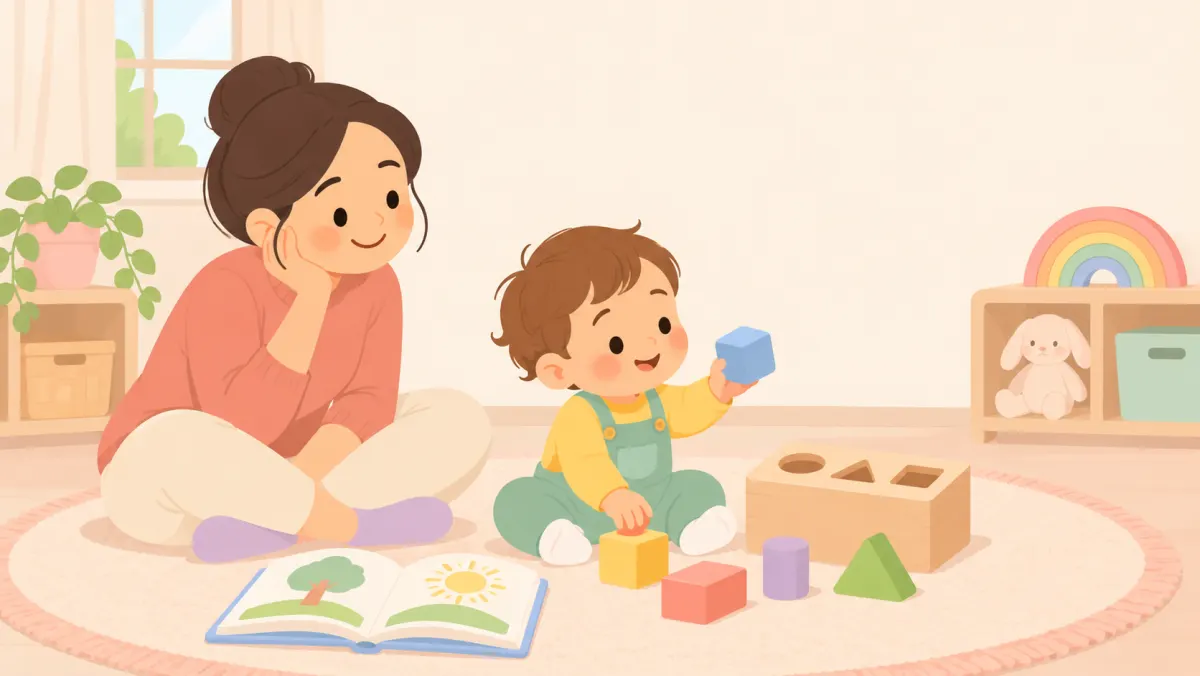
Independent play toddler: how to start with less stress
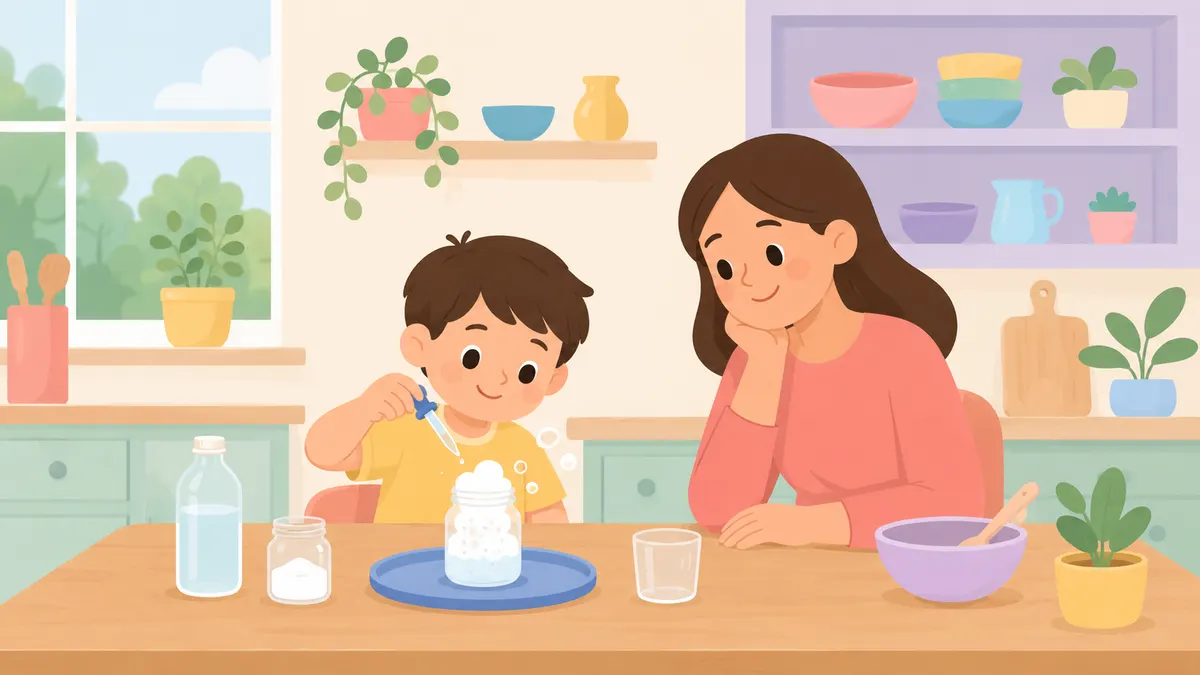
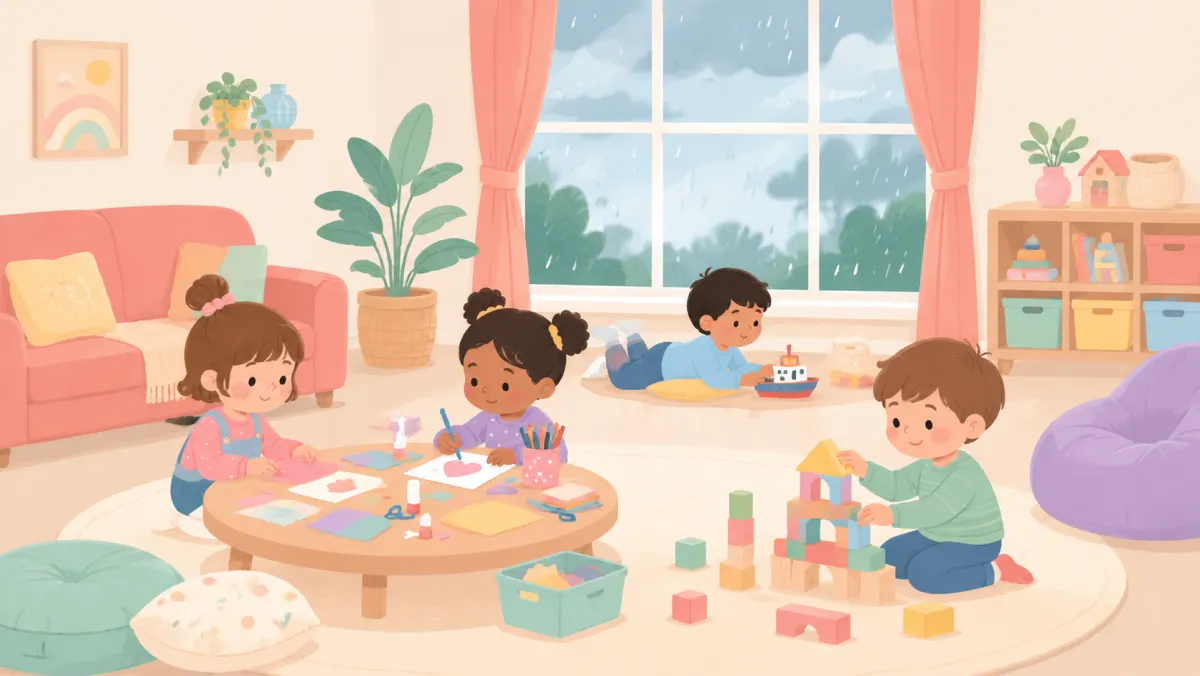
Want a few minutes to cook dinner without constant interruptions? Start with these gentle ways to help your toddler enjoy playing alone.
Want a few minutes to cook dinner without constant interruptions? Start with these gentle ways to help your toddler enjoy playing alone.
You can say no without being harsh or feeling guilty. These simple phrases help you hold a boundary while your child feels heard and loved.
Your newborn sees the world differently than you do. Discover which colors catch their attention first and how that changes during the first year.
If you find yourself repeating the same instruction five times, one small change in how you approach your child can make tonight easier.
The words you use after a spelling test, drawing or missed goal can change how your child feels about trying again.
The best chore is one your child can actually finish, without you having to redo the whole thing afterward.
Your child can have a birthday they will talk about for weeks without an expensive venue, a packed schedule, or a house full of decorations.
A spelling bee takes more than knowing how to spell a word. Small memory habits at home can help children feel ready when their turn comes.
Young athletes have a way of reminding adults that showing up, trying again and enjoying the effort can matter more than winning.
There is something special about the first time a child writes a few lines of code and watches a computer do exactly what they asked.
Math competitions are catching children's attention, and the reasons go well beyond getting the right answer.
A science fair project can reveal how your child thinks when something goes wrong, and what happens when they decide to try again.
Some children race through an entire stack of library books while others need a little encouragement. Here's how to make summer reading enjoyable for both.
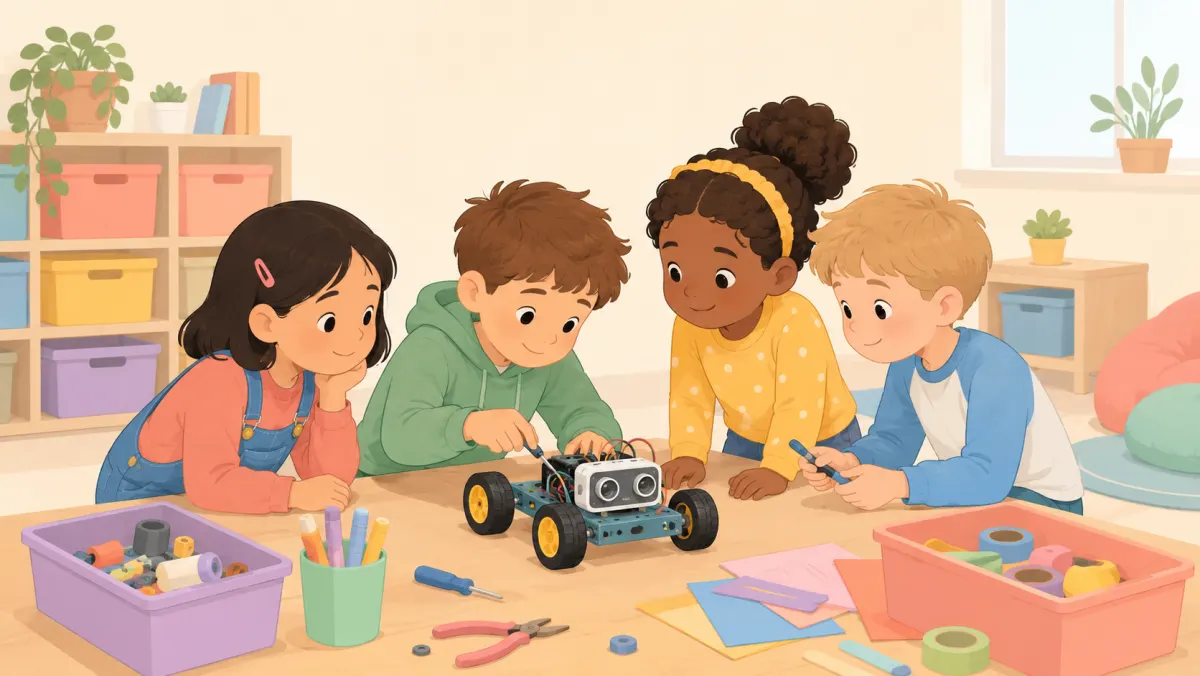
When a robot refuses to move on competition day, children get a lesson that no perfectly working machine could teach them.
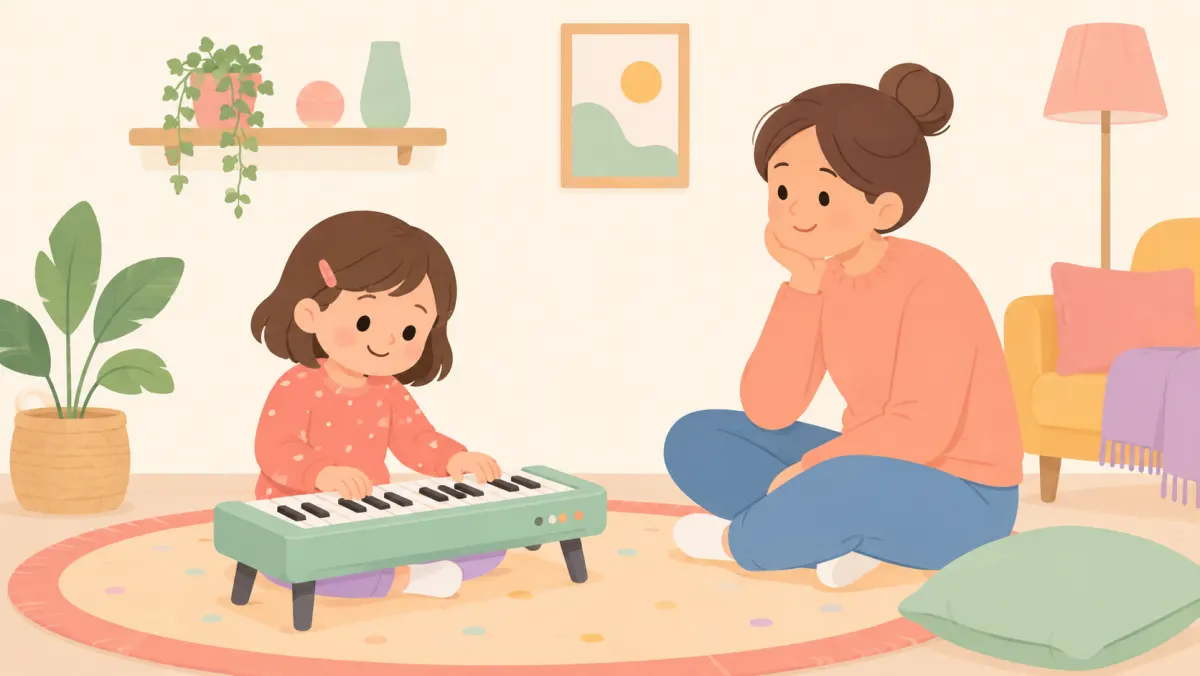
Some children need reminders to practice, while others reach for their instrument before anyone asks. The difference is worth understanding.
A storytelling contest can give a quiet child a reason to speak up, but the biggest win often happens long before the results are announced.
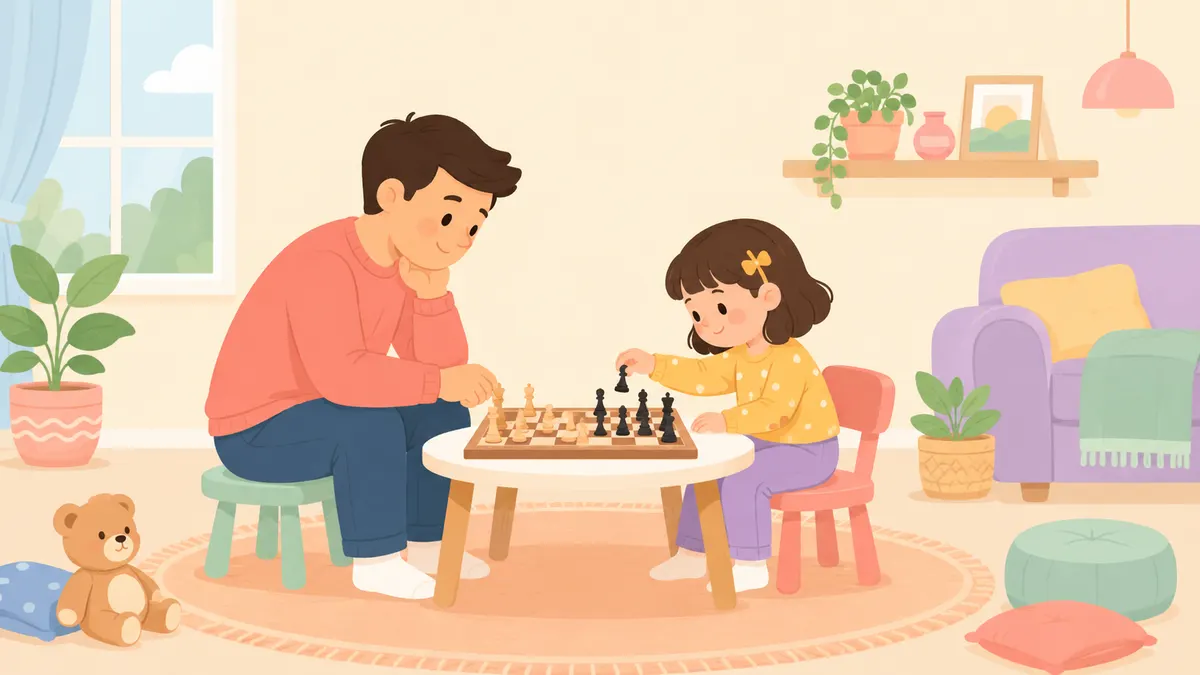
Chess is finding a place in more children's learning routines, and the skills kids practice over a chessboard can reach far beyond the game.
When every argument turns into a debate about who started it, a few small changes can make family life feel calmer.
A long drive with little kids doesn't have to end in tears. A few clever preparations can change the whole trip.
If bedtime keeps turning into a negotiation, a better bedtime and a few small changes can make evenings feel much easier.
Your toddler had a meltdown, refused dinner and ignored bedtime. That does not mean you had a bad parenting day. Here is why the 80/20 rule helps.
Suddenly fighting bedtime or waking at 3 a.m.? Learn when sleep regressions tend to happen and what you can do to make nights easier.
Your toddler's endless questions, surprising memory, or unusual curiosity might tell you something interesting about how they learn.
Some evenings run late, dinner takes forever, and nobody wants pajamas. A bedtime routine can still work without going perfectly.
Your shy child does not need to become the loudest person in the room to feel confident. Start with the little things you do tonight.
Your toddler might love counting long before reaching 20. Find out what is typical and how everyday play can build early number skills.
Five minutes with a favorite story can give your child something that screens and busy schedules rarely offer: your full attention.
If turning off the TV leads to tears or arguments, a few small changes can make screen time endings much easier.
Rain tapping against the windows does not have to mean another afternoon of cartoons. Try these easy ideas instead.
A gray sky is no reason to stay indoors all day. Small outdoor adventures can turn an ordinary afternoon into something your child looks forward to.
Homework does not have to end in tears or arguments. A few small changes can help your child settle down and get started.
If getting everyone dressed, fed and out the door feels like a daily battle, a few evening changes can make school mornings much easier.
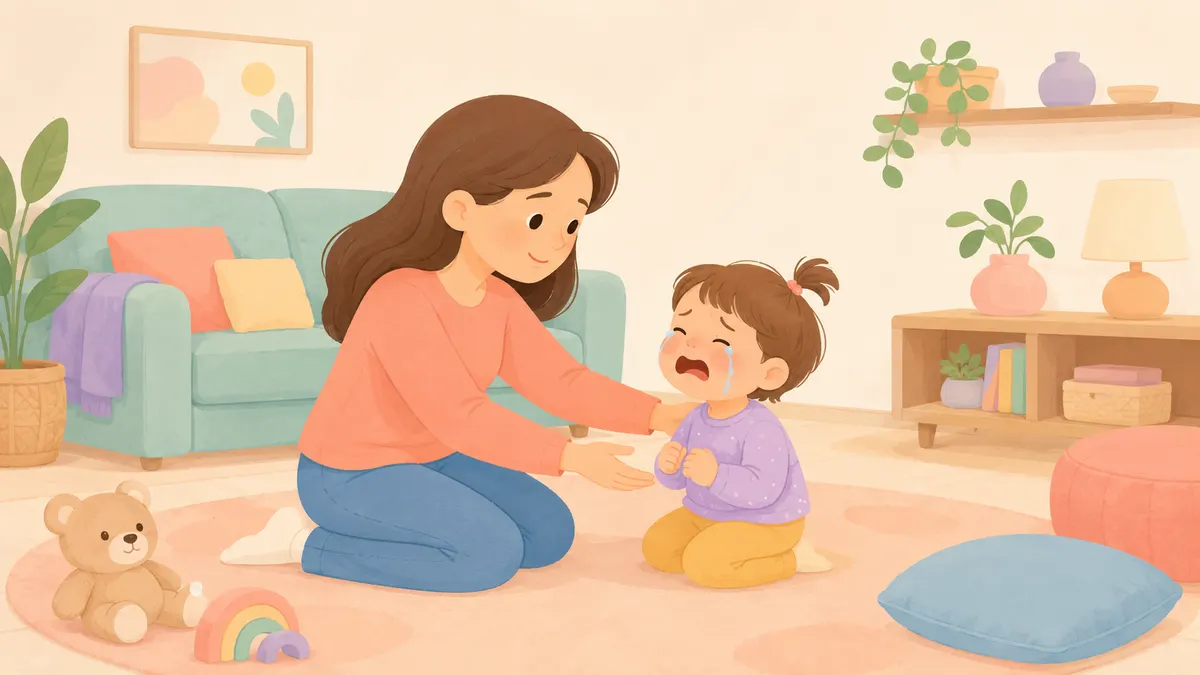
When your toddler melts down over the wrong cup or a missing toy, a few calm responses can help both of you get through it.
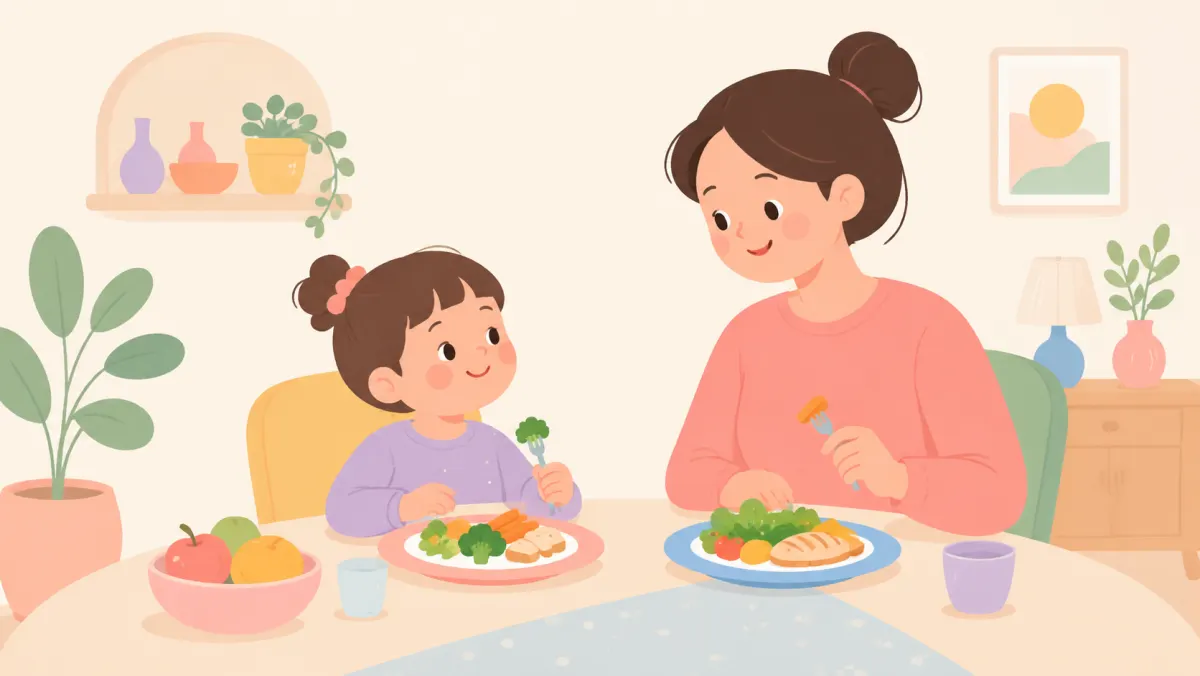
Dinner does not have to end in tears because your toddler refuses another bite. Try a calmer approach that works with your family tonight.
The hallway light is off, the covers are pulled up, and suddenly your child is scared again. Here's how to make bedtime feel safer.
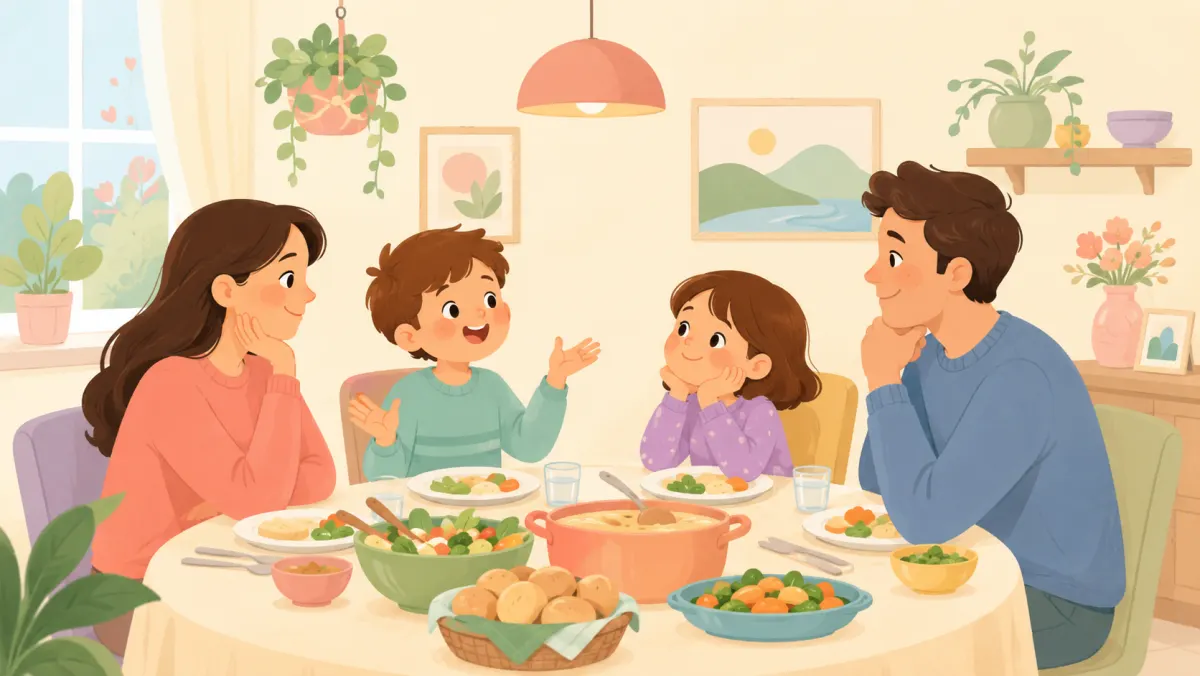
Tired of asking 'How was your day?' and hearing 'Fine'? Try questions that give your kids something worth talking about.
Ordering a story? The Story Help Center covers themes, photos and delivery.