
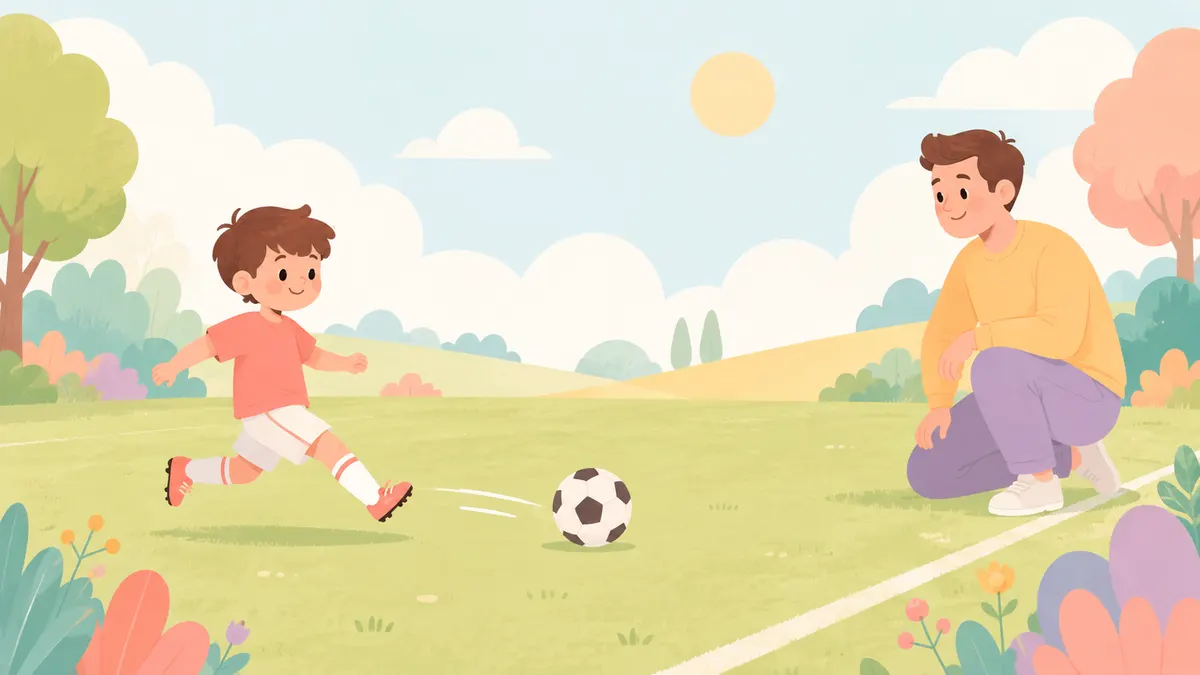
What Young Athletes Teach About Effort
Young athletes often remind us that improvement comes from showing up, practicing skills, and trying again after mistakes. A child learning a new sport sees progress through small moments, such as a better pass, a steadier balance, or a little more confidence during practice each day.
Parents can notice these moments instead of focusing only on wins or results. A child who keeps trying after a difficult drill is learning a lesson that applies to school, hobbies, and many other parts of life and helps them build confidence through future challenges.
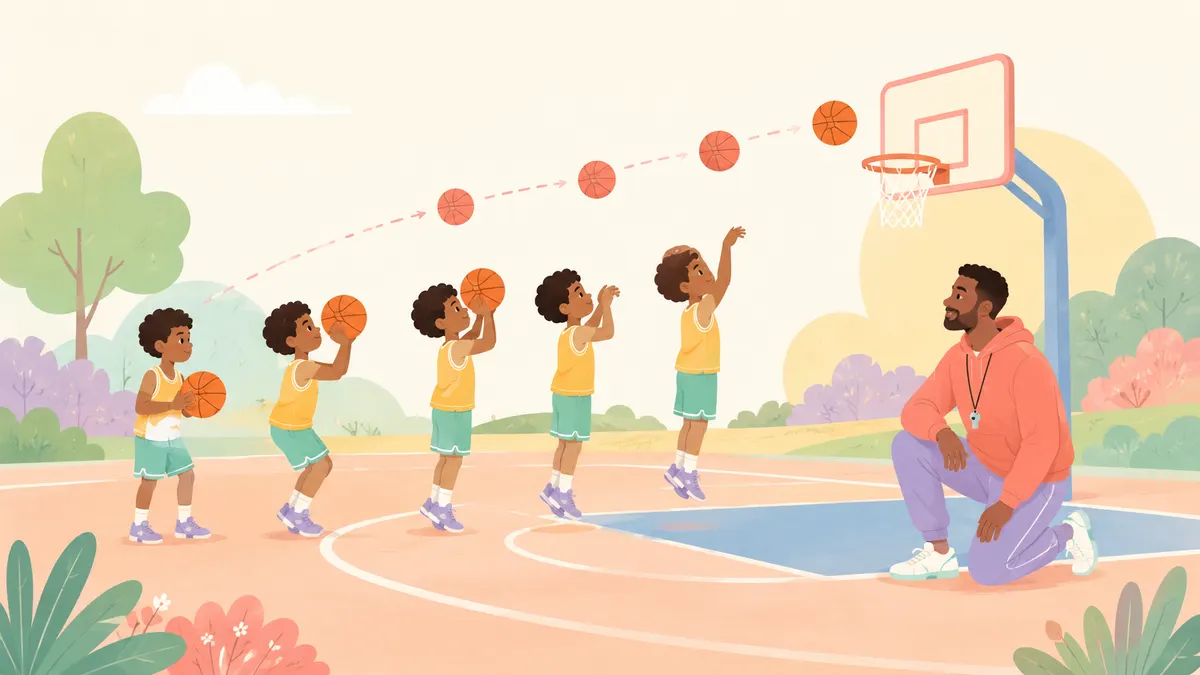
How Sports Build Everyday Persistence
Sports give children regular chances to experience effort in action. They may miss a shot, lose a point, or struggle with a new movement, then return to practice and try again. These moments show children that improvement is usually a process rather than something that happens instantly.
Parents can support this mindset by asking about what their child learned, what felt challenging, and what they want to try next. Simple conversations help children notice their own progress and value the work behind it as they learn to manage effort with patience too.
Why Progress Matters More Than Winning
Young athletes often learn that a scoreboard does not tell the whole story. Learning a skill, supporting teammates, and staying focused can all be meaningful achievements. Children need room to recognize growth without feeling that every activity must end with a victory over the season.
Parents can celebrate the habits that lead to improvement, such as arriving ready, listening to instructions, and making another attempt. This helps children connect success with effort, preparation, and personal goals instead of only final results while keeping the experience enjoyable for young athletes too.
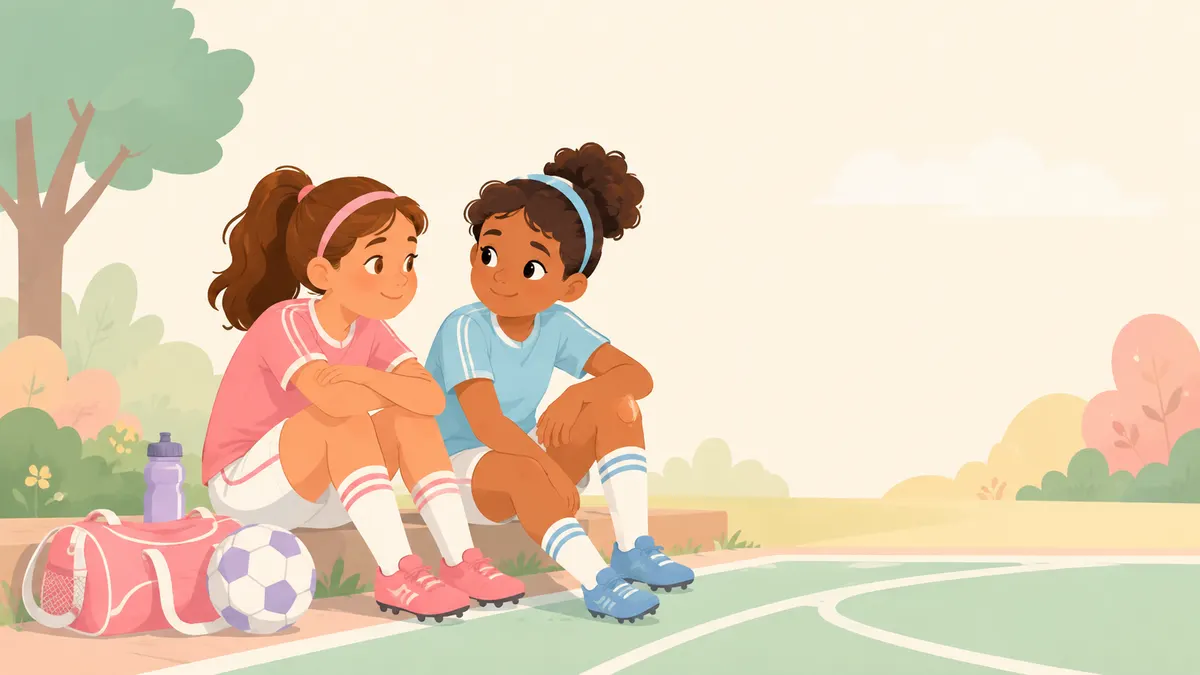
How Parents Can Encourage Sports Motivation
Parents can help kids sport motivation grow by creating a positive environment around activities. This means showing interest, allowing children to enjoy the game, and giving them space to discover what they like. A child is more likely to stay engaged when sports feel rewarding and personal.
Support does not require knowing every rule or technique. A parent can simply notice effort, ask thoughtful questions, and remind a child that learning takes time. These small actions can make practice feel like a place for growth during many different learning moments they face.
What Kids Learn From Trying Again
Trying again is one of the most valuable lessons young athletes experience. A child who repeats a skill after a mistake learns that setbacks are part of learning. Sports create many natural opportunities for children to practice patience and keep working toward a goal often.
These lessons can carry into everyday challenges, from learning an instrument to completing schoolwork. Parents can help children remember that effort is something they can choose, even when progress feels slow or a task feels difficult and this can shape their approach to new goals.
Parents also ask
How can I improve my child’s sports motivation?
Focus on enjoyment, effort, and small improvements rather than only results. Ask your child what they like about the activity, praise their commitment, and let them have a voice in their goals.
Should parents focus on winning in youth sports?
Winning can be exciting, but children learn valuable lessons from effort, teamwork, and practice too. A balanced approach helps kids enjoy sports while building positive habits and understanding that improvement matters even when the final score does not go their way.
What can sports teach children outside athletics?
Sports can teach children patience, cooperation, and the value of practice. These lessons can help them approach challenges in school, hobbies, and daily routines with a positive attitude while learning that progress often comes from steady effort over time.
Practical ideas from our team, not medical advice. For anything about your child's health, sleep, or development, please check with your pediatrician.
Turn today's idea into their own story
Make a 1-minute animated story where your child is the hero.
Start A Story