
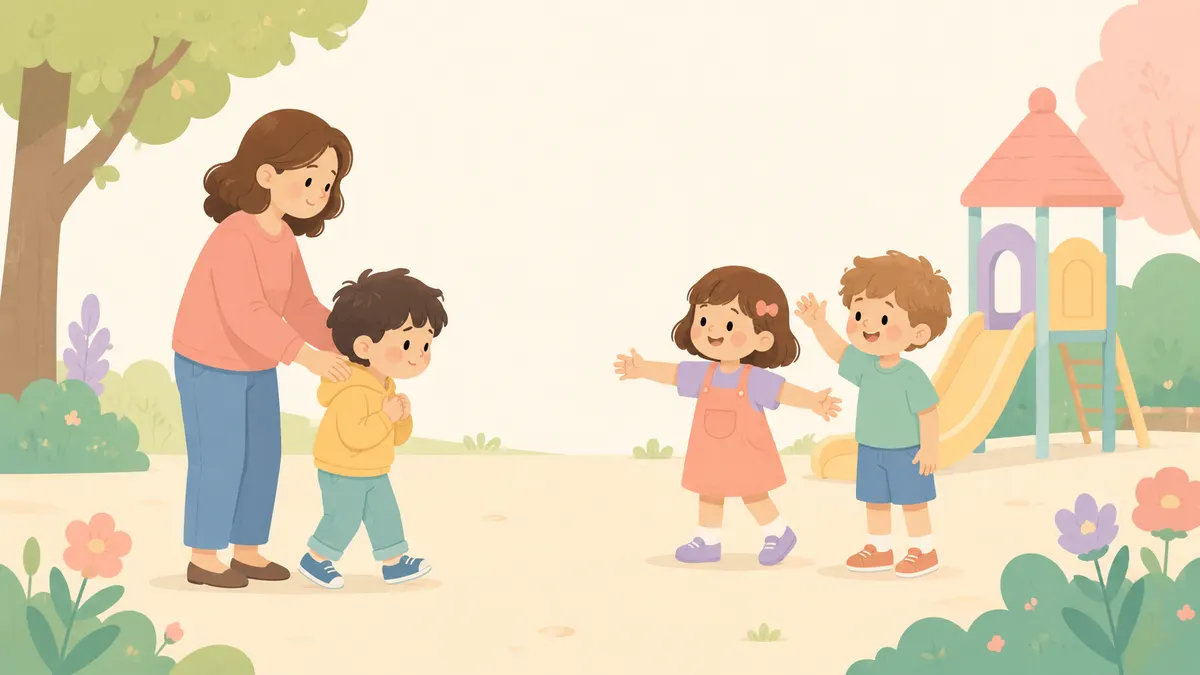
Start With One Small Brave Step
Start with one situation that feels slightly uncomfortable, not the hardest one. If your child hangs back at birthday parties, tonight you might practice saying hello to one familiar person or choosing one game they could join. Keep the goal small enough that success feels possible. Confidence grows when a child can notice that they did something difficult and managed the moment.
Do not turn the practice into a performance. A quiet child may need extra time before speaking, answering, or joining. Give them a few seconds instead of jumping in for them. If they whisper an answer to you first, that still counts as participation. You can repeat it aloud only if they want help, then let the moment move on without making it a big event.
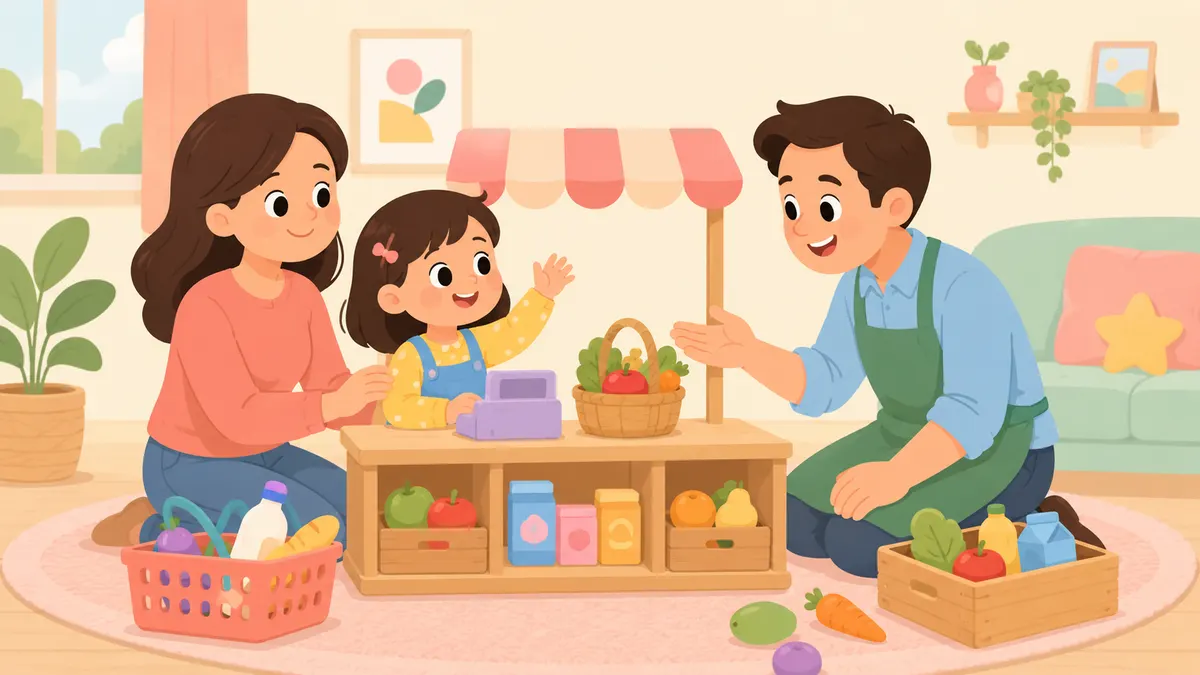
Give Them Simple Words to Use
Try giving your child a short phrase they can use when they feel stuck. Simple lines such as “Can I play too?” or “I need a minute” are easier to remember than a long pep talk. Practice the phrase casually at home, perhaps while setting the table or brushing teeth, so it feels familiar before they need it around other people.
You can also rehearse likely moments through pretend play. Use stuffed animals to act out greeting a teacher, ordering a snack, or joining a group. Let your child play both roles so they can hear how a conversation might go. Keep the tone light and stop while it still feels fun. Repetition works best when it feels safe, ordinary, and pressure free.
Praise Effort Without Making It Big
Praise what your child did, not whether they looked confident. You might say, “You answered even though you felt nervous,” or “You stayed with the group for a few minutes.” Specific feedback helps a child connect effort with progress. Avoid making every small step into a celebration, because extra attention can make a quiet child feel watched instead of supported.
Also notice the quieter forms of confidence that are easy to miss. A child who asks for help, looks at one person while speaking, or tries again after backing away is making progress. Mention those moments calmly and move on. The goal is not to create a louder child. It is to help your child trust themselves in more situations.

Offer Choices Before Social Moments
Give your child real choices before a social moment whenever possible. Before visiting family, ask whether they want to carry the dessert, sit beside you first, or greet people after taking off their coat. Two or three simple options can reduce the feeling of being pushed into a scene. Choice gives them some control while still keeping gentle participation on the table.
Try not to offer a choice that secretly has only one acceptable answer. If you ask, “Do you want to say hello now or in five minutes?” be willing to wait five minutes. When children learn that their small choices are respected, they may become more willing to take the next step without needing as much prompting from you.
Stay Calm When Your Child Hangs Back
A child can borrow calm from the way you handle the moment. If they hesitate, keep your voice relaxed, your face neutral, and your words short. Avoid apologizing for them or explaining their personality to other adults. A simple “They’re warming up” keeps attention low and gives your child room to settle without feeling as though everyone is waiting for them.
Afterward, talk about one thing that went better than expected and one thing they might try next time. Keep the review brief, especially if the event felt tiring. You are building a simple pattern: prepare, try, recover, reflect. Over time, unfamiliar situations can feel more manageable because your child learns they do not have to get everything right at once.
Parents also ask
Should I encourage my shy child to speak to people?
Yes, but keep the invitation gentle and manageable. Give your child time to answer, offer a simple phrase they can use, and avoid forcing a performance. One small interaction, such as saying hello or answering a familiar adult, can be enough practice for that moment.
What should I say when my child hides behind me?
Keep your response calm and brief. You might say, “You can stay beside me while you warm up.” Avoid announcing that your child is shy or demanding an immediate greeting. Once they settle, offer one small choice about how they would like to join in.
How can I build confidence at home first?
Practice everyday situations through play. Take turns ordering pretend food, greeting a stuffed animal, asking for a turn, or answering a simple question. Keep each practice short and playful. Familiar words and routines at home can make similar moments outside the house feel less surprising.
Practical ideas from our team, not medical advice. For anything about your child's health, sleep, or development, please check with your pediatrician.
Turn today's idea into their own story
Make a 1-minute animated story where your child is the hero.
Start A Story