
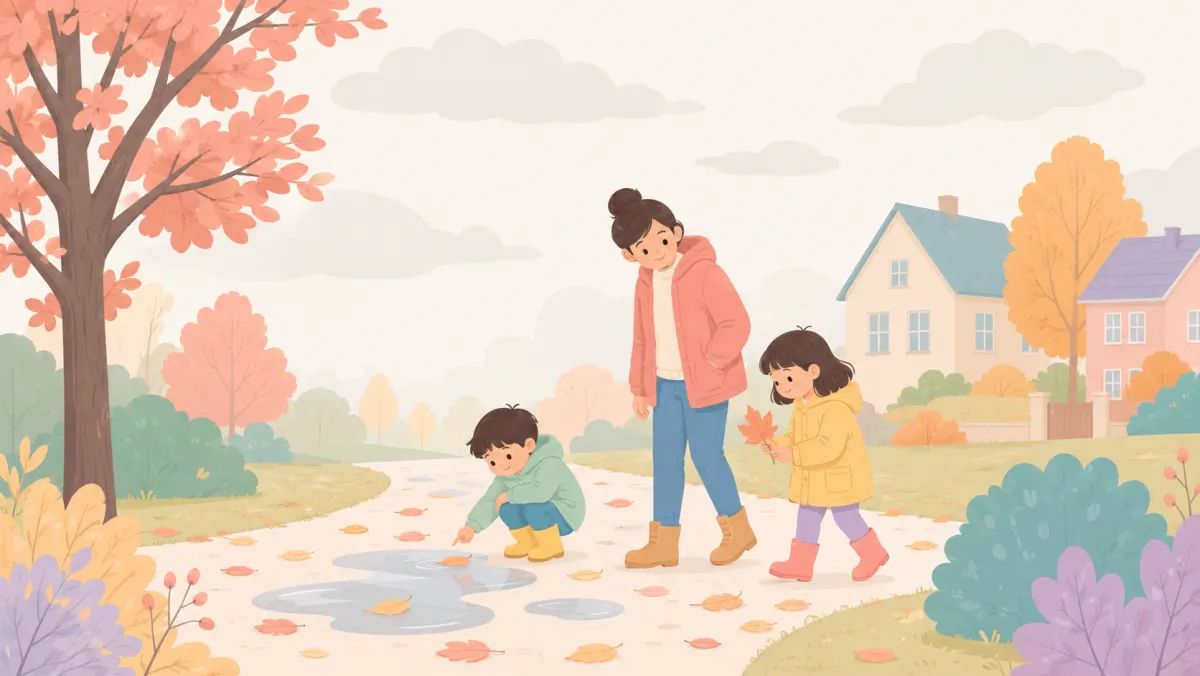
Why outdoor play matters on dull days
A dull sky does not have to cancel outdoor play. A short walk, a few minutes in the yard, or a simple game near home can give children a change of scenery. The goal is not a perfect adventure. It is creating a regular moment where kids can move, notice nature, and enjoy being outside.
Parents often wait for sunny weather before planning outside time, but everyday moments work too. Children can splash through puddles, collect leaves, look for clouds, or ride a scooter on a quiet path. Small outdoor habits help make fresh air and active play feel like a normal part of family life.
How outdoor play benefits children daily
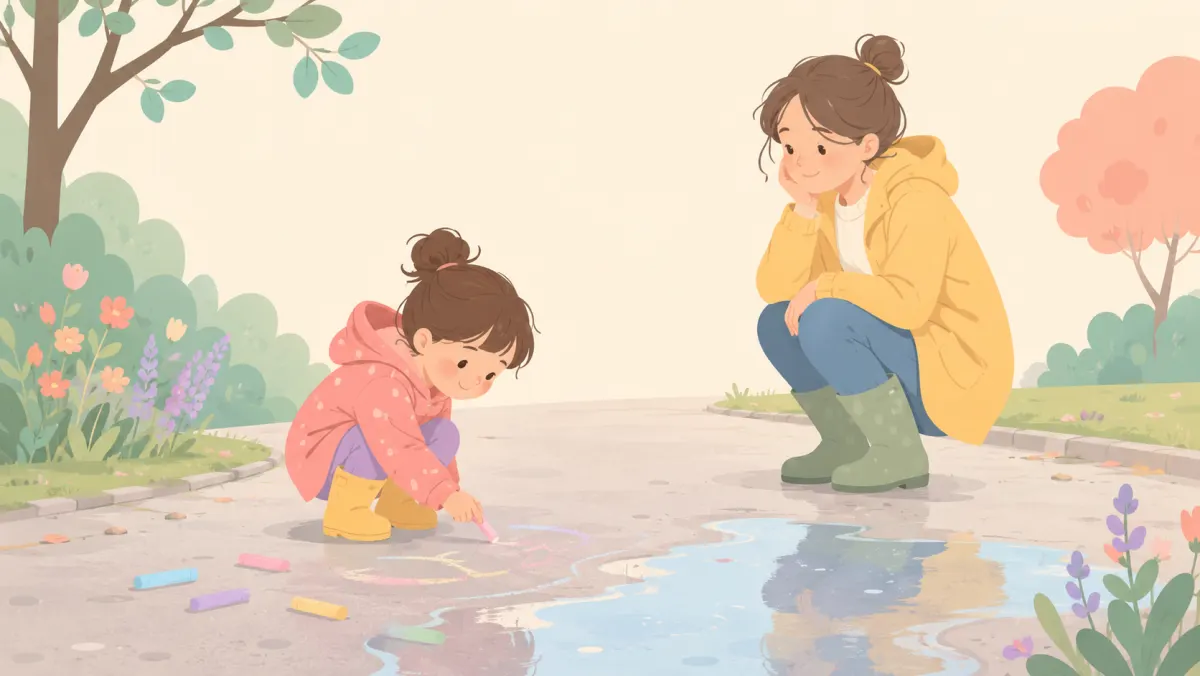
Outdoor play benefits children because it gives them space to explore with their whole bodies. Running, climbing, digging, and balancing are simple ways children learn about their surroundings while having fun. These activities can happen in many places, including a backyard, a park, or a safe outdoor area near home.
You do not need special equipment to make outdoor time enjoyable. A cardboard box, a ball, chalk, or a nature hunt can create a playful afternoon. Let children choose some activities too, because their own ideas often turn ordinary spaces into places for imagination and discovery.
How can families build outdoor habits
Getting outside can become easier when families create a simple routine. Try adding a short outdoor moment before dinner, after school, or during a weekend break. When children know there is a regular chance to play outside, it becomes less of a special event and more of a familiar family habit.
Dull days can also be a chance to try different kinds of play. Rainy weather may inspire puddle walks, while cool days may invite scavenger hunts or cozy outdoor reading. Dressing for the weather and keeping expectations simple can help parents avoid feeling that every outing needs to be complicated.
What if my child dislikes going outside
Some children need time to warm up before they enjoy outdoor activities. Start with something familiar, such as watching birds, drawing with chalk, or helping water plants. Gentle invitations can help children feel comfortable while they discover what they like doing outside together at their own pace.
Parents can make dull day play easier by keeping a few simple ideas ready. A basket with outdoor toys, a favorite jacket by the door, or a planned walk route can reduce daily decisions. The best activity is often the one that feels easy enough to happen again tomorrow.
Simple ideas for everyday outdoor fun
Outdoor play can be as simple as searching for interesting rocks, making up a garden game, or taking a family walk after a busy day. Children often find excitement in small details, like spotting insects, hearing birds, or noticing changes in the trees.
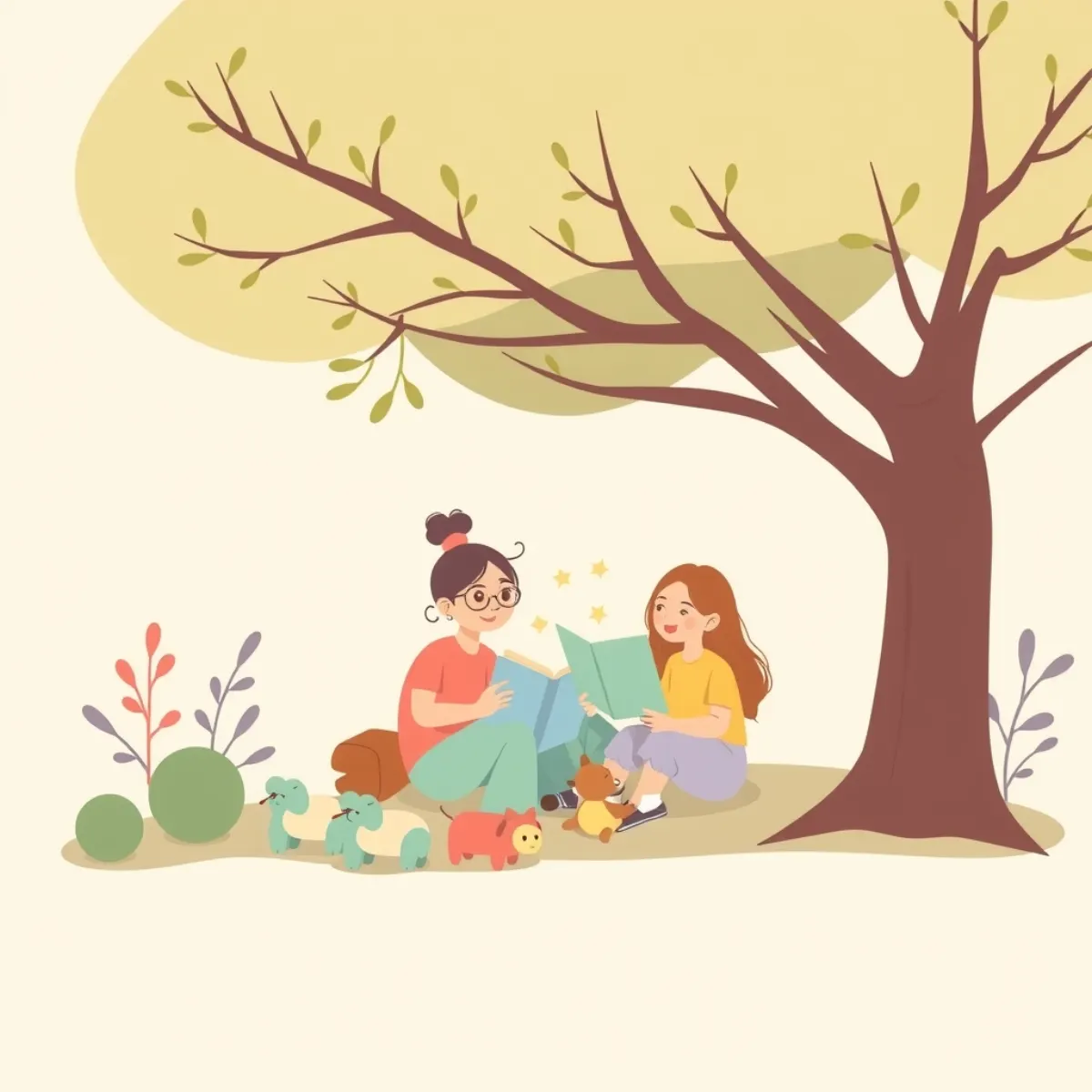
If a child enjoys stories, bring a favorite book outside for a cozy reading moment. If they enjoy creating, offer simple art materials or natural objects to arrange. The goal is to make outdoor time feel welcoming, flexible, and easy to repeat.
Parents also ask
How long should children play outside each day?
There is no single perfect amount of time for every family. A short outdoor break can still be meaningful. Many parents find that building a regular habit works better than waiting for a large block of free time.
What can my child do outside when the weather is dull?
Children can explore puddles, collect natural objects, play simple games, draw with chalk, or take a short walk. The activity does not need to be complicated. Choosing something that matches the weather can make outside time enjoyable.
How can I encourage outdoor play without forcing it?
Offer simple invitations and join in when possible. Try starting with activities your child already enjoys, such as looking for birds or riding a scooter. Giving children choices can help them feel more interested in spending time outdoors.
Practical ideas from our team, not medical advice. For anything about your child's health, sleep, or development, please check with your pediatrician.
Turn today's idea into their own story
Make a 1-minute animated story where your child is the hero.
Start A Story