

What does the 80/20 rule mean?
Think of it this way: most of the time, you're doing your best to keep things steady and loving. Some of the time, things get messy. Your toddler might happily eat breakfast, have a lovely time at the park and play with blocks for an hour. Then you hand over the blue cup instead of the green one, and all hell breaks loose. That's a normal day with a small child. Both things can be true.
You don't need to count your parenting moments or aim for a literal 80 percent. These numbers aren't a research-backed standard for toddler behaviour. They're simply a reminder to look at the bigger picture. I like this way of thinking because it takes some of the pressure off. A terrible afternoon doesn't mean you've had a terrible day, let alone that you're getting parenting wrong. You're allowed to have off days too.
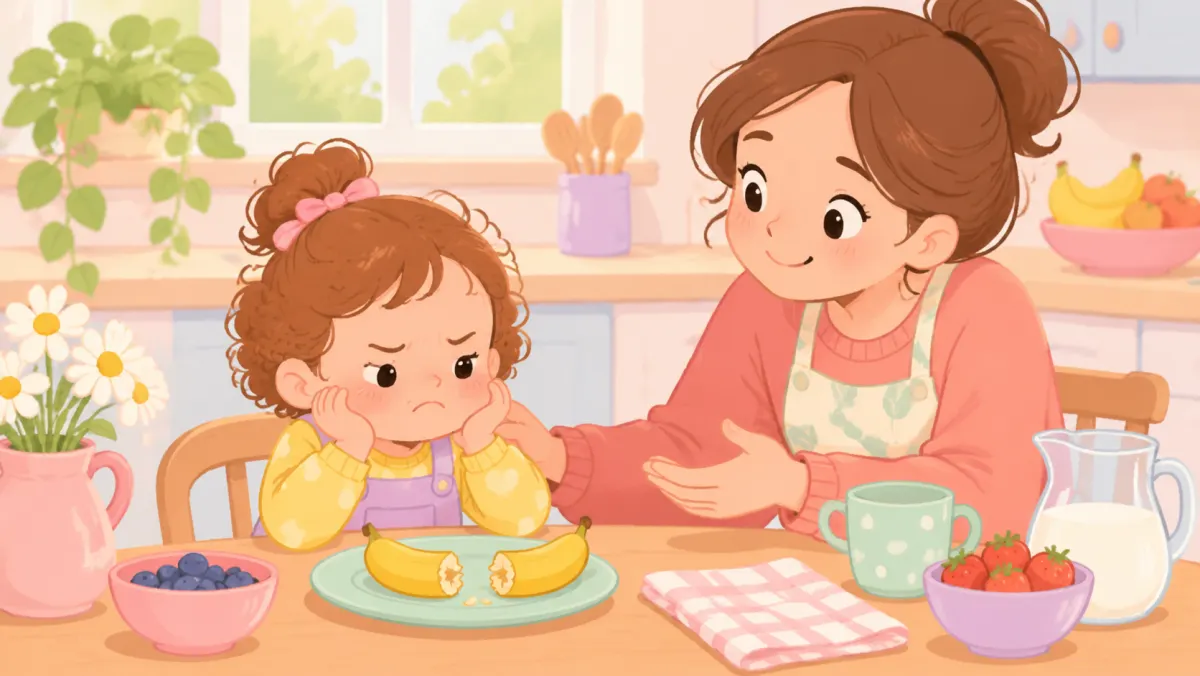
Why are some days so hard?
Toddlers know what they want, even when they haven't quite worked out how to ask for it. They want to pour their own milk, although the carton is far too heavy. They insist on sandals on a chilly morning. You step in to help, and suddenly there's shouting, tears or a full-body protest on the kitchen floor. To them, these little disappointments can feel enormous.
And sometimes there's more going on. Hunger, a missed nap, a busy afternoon or an unexpected change can turn a small frustration into a proper meltdown. Think back to what happened beforehand. Did lunch get rushed? Was your toddler exhausted after an outing? You won't prevent every tantrum, and that's fine. But spotting a pattern might help you avoid another difficult evening.
How can you make tonight easier?
Don't try to fix everything at once. Pick one thing that's usually a struggle. If bedtime is a regular battle, get the pajamas ready before dinner, turn the lights down and stick to the usual routine. Give your toddler two choices: the dinosaur pajamas or the striped ones. You're still deciding that it's bedtime, but they get to have a little say. Sometimes that's enough to avoid an argument.
Already had a disastrous dinner? Let it go. Put out something familiar, sit together for a few minutes and don't turn every mouthful into a negotiation. If bath time brings another round of protests, a quick wash and clean pajamas will do. Really. You don't need to reinvent your evenings tonight. One small change is plenty. See how your child responds.

What if you've lost your patience?
Maybe your toddler spilled the juice for the third time, and you finally shouted. The kitchen floor was sticky, you were tired and you'd had enough. It happens. When you've both calmed down, get down to your child's eye level and say something simple: 'I'm sorry I shouted. I was frustrated, but I should have used a calmer voice.' That's enough. You don't need to turn it into a big speech.
There's no need to pretend it never happened, either. A little repair can make the next few minutes feel different. Offer a cuddle if your child wants one, wipe up the juice together or just sit beside them for a while. You can have a difficult moment and still make the next one a good one. Try not to let one bad interaction spoil the rest of your evening.
Does good-enough parenting really count?
Think about the little things you did today. You made breakfast, helped find a favourite toy, comforted your toddler after a fall and read the same bedtime book for what felt like the hundredth time. Maybe you also lost your temper over a dropped snack. That doesn't cancel out everything else. The care was real, even when your patience wasn't at its best.
If you need a little reminder before bed, ask yourself three things: Did my child feel cared for today? Did I hold the boundaries that mattered? Did we find a way to reconnect after something went wrong? Some nights, you won't be able to answer yes to all three. That's life with a toddler. Tomorrow is another chance, and there's no need to keep a running tally of today's mistakes.
Parents also ask
Is the 80/20 rule a real toddler parenting method?
No, it's a helpful way to think about everyday parenting, not a formal or scientifically proven method. The numbers aren't a target or a measure of how well you're doing. They simply remind you that difficult moments can sit alongside plenty of ordinary, loving ones.
What if my toddler has bad days every day?
Start by looking for patterns. Do the hardest moments happen before meals, after busy outings or around bedtime? Try changing one part of the routine at a time. You don't have to sort everything out at once. Just aim to make the next interaction a little easier.
Should I ignore bad behaviour to follow the 80/20 rule?
No. Good-enough parenting doesn't mean letting hitting, throwing dangerous objects or breaking important boundaries slide. You can be kind and firm at the same time. If your toddler hits, gently stop their hand and say, 'I won't let you hit.' Children need connection and clear limits.
Practical ideas from our team, not medical advice. For anything about your child's health, sleep, or development, please check with your pediatrician.
Turn today's idea into their own story
Make a 1-minute animated story where your child is the hero.
Start A Story