
Why Do Kids Ignore Instructions
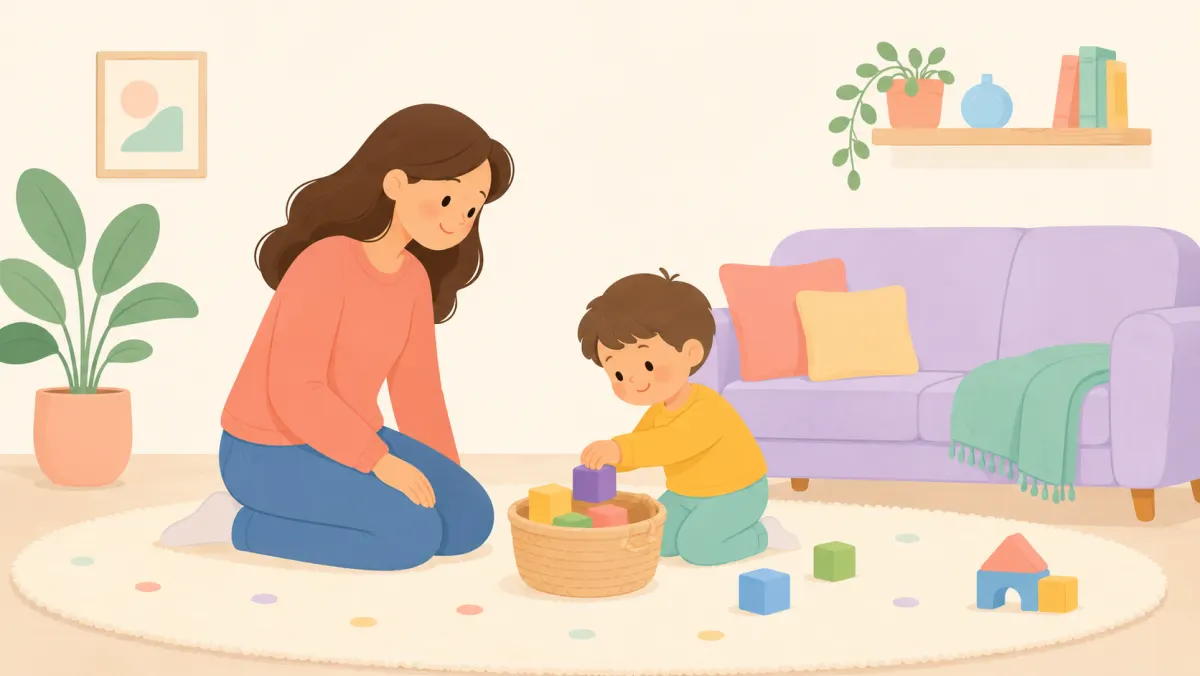
Many children miss directions when they are busy playing, focused on a task, or hearing too many words at once. A simple first step is moving close, making eye contact, and saying what needs to happen in a calm voice. Short directions are often easier for children to understand and remember.
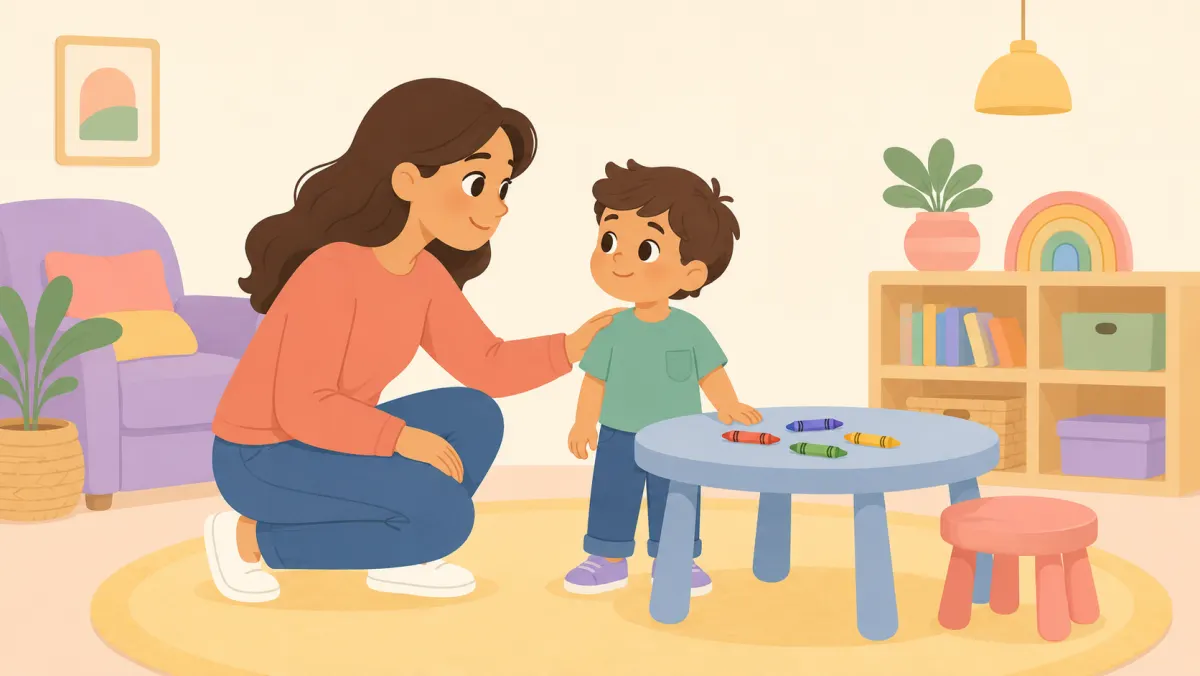
Instead of repeating a request from another room, walk over and connect before speaking. You can gently touch a shoulder, say their name, and wait for a response before giving the next instruction. This small change can make everyday moments feel less like a battle and help your child feel noticed.
How Can I Get Kids To Listen
Children often respond better when they know exactly what is expected. Try giving one clear direction at a time, such as putting shoes on or placing toys away, instead of listing several tasks together. A simple sentence helps your child focus on the action they need to take.
You can also ask your child to repeat the instruction back in their own words. This shows whether they heard you and gives them a chance to process the request. Keep your tone steady so listening feels like teamwork, not a test, during busy family moments.
What Words Help Children Listen
The words you choose can change how a child receives a request. Try phrases that describe the next step, like saying it is time to clean up, instead of asking why they are not helping. Clear language gives children a path forward and makes expectations easier to understand.
Offering small choices can also reduce resistance during routines. Let your child choose which book to put away first or which shirt to wear. The goal is not to give up the boundary, but to help your child take part in the moment while feeling some control.
How Can I Stop Repeating Myself
Repeating a request many times can become a habit for both parent and child. Instead, set a simple expectation that you will say something once, then follow through with a calm reminder or action. Children learn that words have meaning when adults stay consistent and predictable.
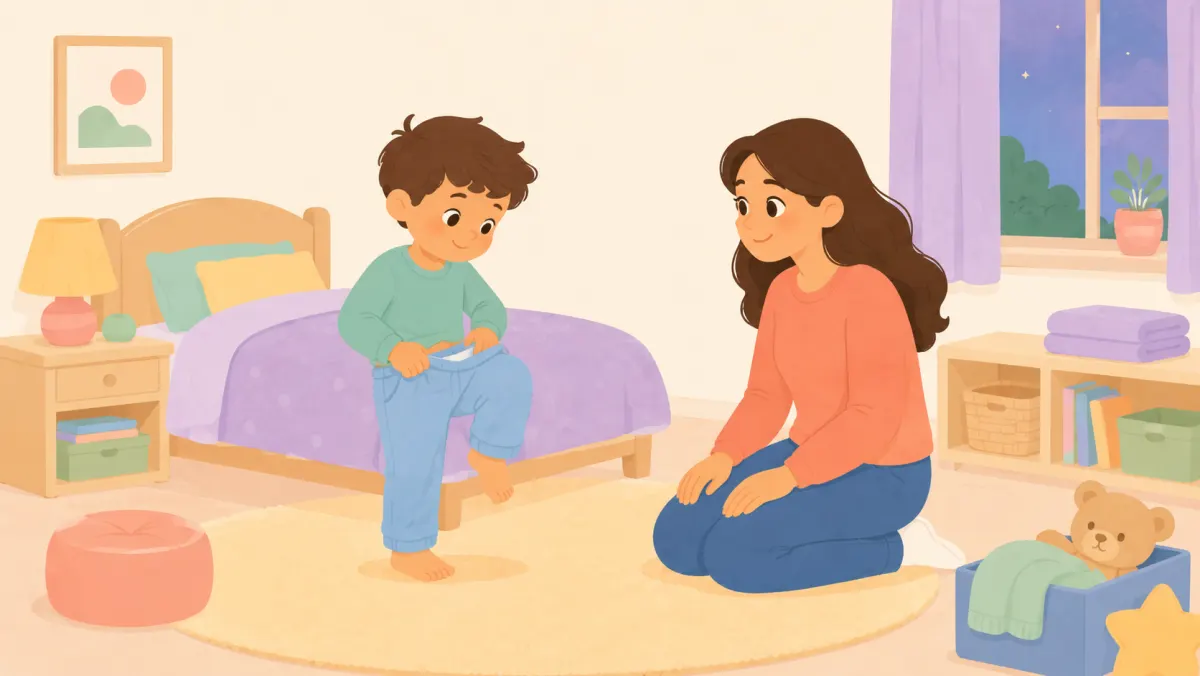
Before making a request, check that your child is able to listen. Turn off distractions when possible, get their attention, and give them a moment to respond. A few seconds of patience can prevent frustration for everyone and create a calmer pattern during daily routines.
How Do I Build Better Listening Habits
Listening improves through everyday practice, not just during difficult moments. Notice when your child does respond and mention what they did well. Specific encouragement, like thanking them for putting something away when asked, helps them understand which behavior you want to see again.
Create small routines where listening happens naturally, such as morning steps or bedtime tasks. When children know what comes next, they spend less energy guessing and more energy participating. Consistent routines can make family life smoother over time and help children feel more confident about expectations.
Parents also ask
Why does my child not listen when I ask the first time?
Children may miss requests because they are focused on something else, distracted, or unsure what you want them to do. Moving closer, using fewer words, and giving one clear direction can make your message easier to follow.
How can I stop repeating the same instruction?
Try getting your child’s attention before speaking and give one simple request. After that, pause and allow time for a response. Staying calm and following through helps children understand that your words matter.
Should I give choices when my child refuses to listen?
Small choices can help children feel involved while keeping the main expectation in place. You can offer two acceptable options, such as choosing which task comes first, while still holding the boundary.
Practical ideas from our team, not medical advice. For anything about your child's health, sleep, or development, please check with your pediatrician.
Turn today's idea into their own story
Make a 1-minute animated story where your child is the hero.
Start A Story