
When should a toddler count to 10?
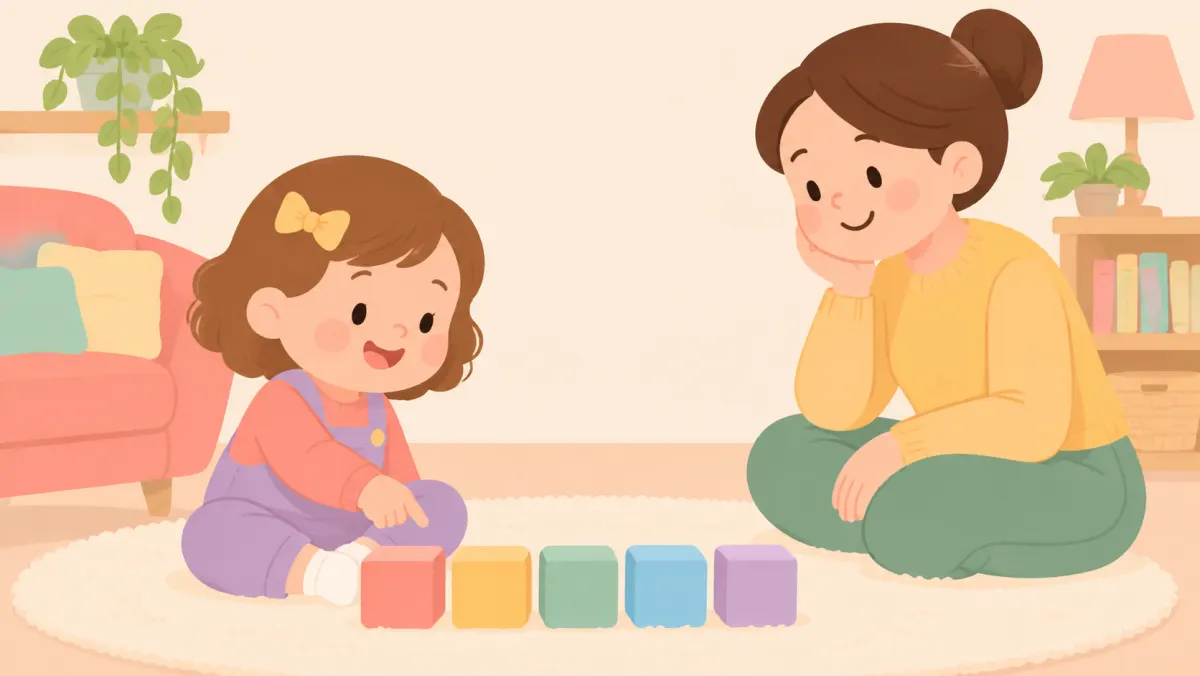
Many children get more comfortable counting to 10 during the preschool years, often around ages 3 and 4. You might hear your toddler skip four, repeat six, or start the whole thing again because they lost their place. That's part of learning. I wouldn't turn it into a daily test or keep correcting every little mistake.
Instead, count together when something naturally comes up. Try the stairs on your way upstairs or the crackers you're putting on a plate. Say a few numbers, then give your child a chance to join in. Some days they'll surprise you. Other days, they'll be more interested in eating the crackers.
When should a toddler count to 20?
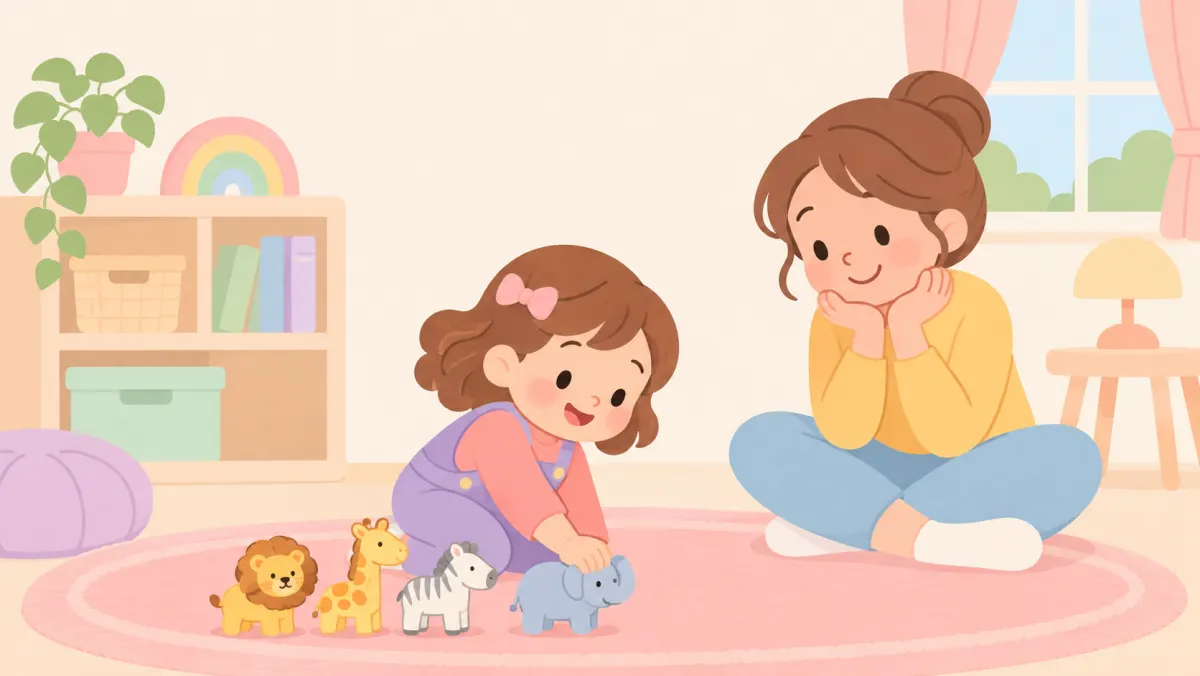
Here's something worth remembering: saying numbers up to 20 isn't the same as counting 20 actual things. Your toddler might happily recite the whole sequence but get confused when you ask them to count a pile of blocks. They might touch the same block twice or forget which one comes next. That's normal. They're still figuring it out.
There's no need to push for 20 just because another child can do it. Give your toddler plenty of chances to pick up objects, move them around, and count as they go. Start with a handful of toys and add more when they're ready. Let the interest come first.
Does your toddler understand numbers?
You'll often spot number understanding during the most ordinary parts of the day. Ask your toddler to bring you two socks while you're getting dressed, or put one toy in the basket before bedtime. Watch what they do. Can they find the right number of things, or do they just hand you whatever's nearby? If they're unsure, show them what you mean.
I'd much rather see a toddler understand what two toys look like than recite a long string of numbers without knowing what they're counting. Keep the requests small. Once one or two objects make sense, you can gradually introduce three and build from there.
What counting games can you play tonight?
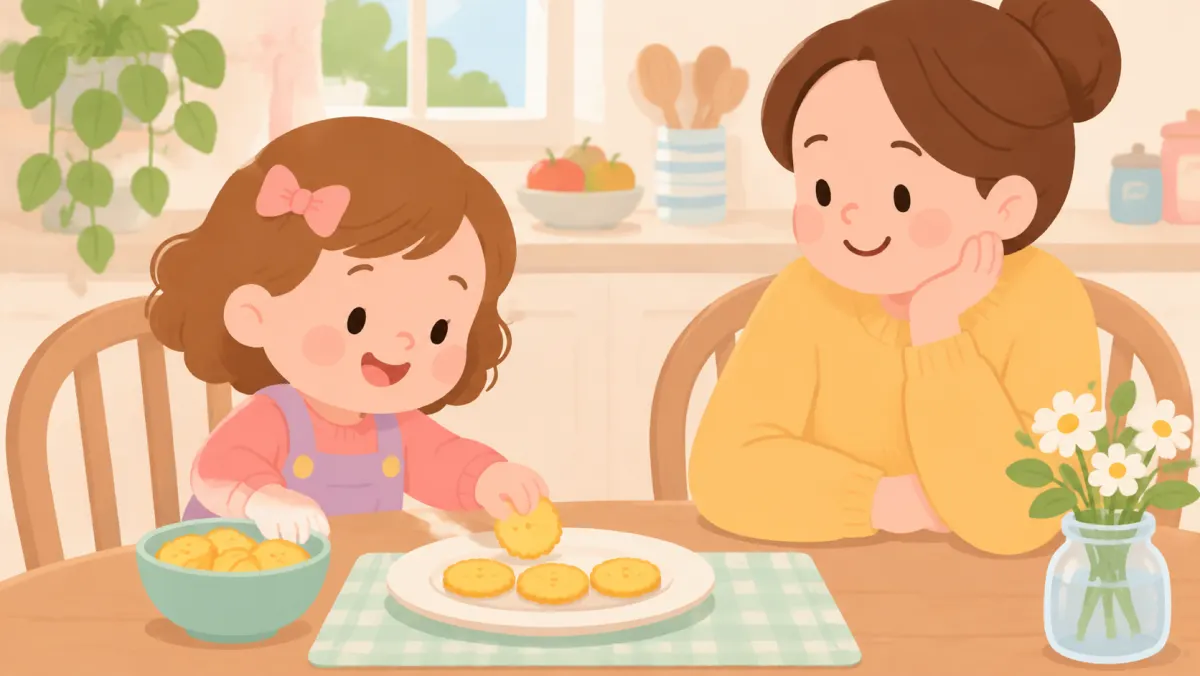
Try a little game of bring me two with building blocks or bath toys. Ask your toddler to find two, then count them together as they pick each one up. You can also hold up one toy, add another, and count the pair. Simple stuff, but toddlers often love being given a little job.
At bedtime, make up a silly counting song while putting pajamas away or collecting toys from the floor. You only need a few minutes. And if your toddler loses interest halfway through and runs off to play with something else, don't worry. Leave it there and try again tomorrow.
How can you encourage counting without pressure?
Try not to measure your child's progress against a cousin, a friend's toddler, or a video online. Some children get excited about numbers early on. Others would much rather pretend to cook dinner, build the tallest block tower possible, or spend half an hour lining up their toy animals. That's fine too. You can find counting opportunities in all those activities.
Keep it casual. Count the pretend food, the blocks, or the steps to the front door. Follow what your toddler already enjoys instead of turning every activity into a lesson. A few relaxed counting moments throughout the week are a much nicer way to practise than constantly asking your child to show you what they know.
Parents also ask
Can a 2-year-old count to 10?
Yes, some 2-year-olds can recite numbers up to 10, but plenty are still learning shorter sequences. Skipping numbers or repeating them is common. At this age, have fun saying the numbers together rather than worrying about getting every one in the right order.
Is counting to 20 normal for a 3-year-old?
Yes, some 3-year-olds enjoy counting up to 20, while others are still working toward 10. Both can be part of normal development. Just remember that reciting numbers from memory isn't the same as accurately counting 20 separate objects.
How can I teach my toddler to count to 20?
Start with familiar things like building blocks, toy animals, or pieces of fruit. Count slowly and encourage your toddler to touch each object as you go. Add more when they're interested. Counting songs and games on the stairs are easy ways to practise too.
Practical ideas from our team, not medical advice. For anything about your child's health, sleep, or development, please check with your pediatrician.
Turn today's idea into their own story
Make a 1-minute animated story where your child is the hero.
Start A Story