
Why Do Storytelling Contests Help Kids
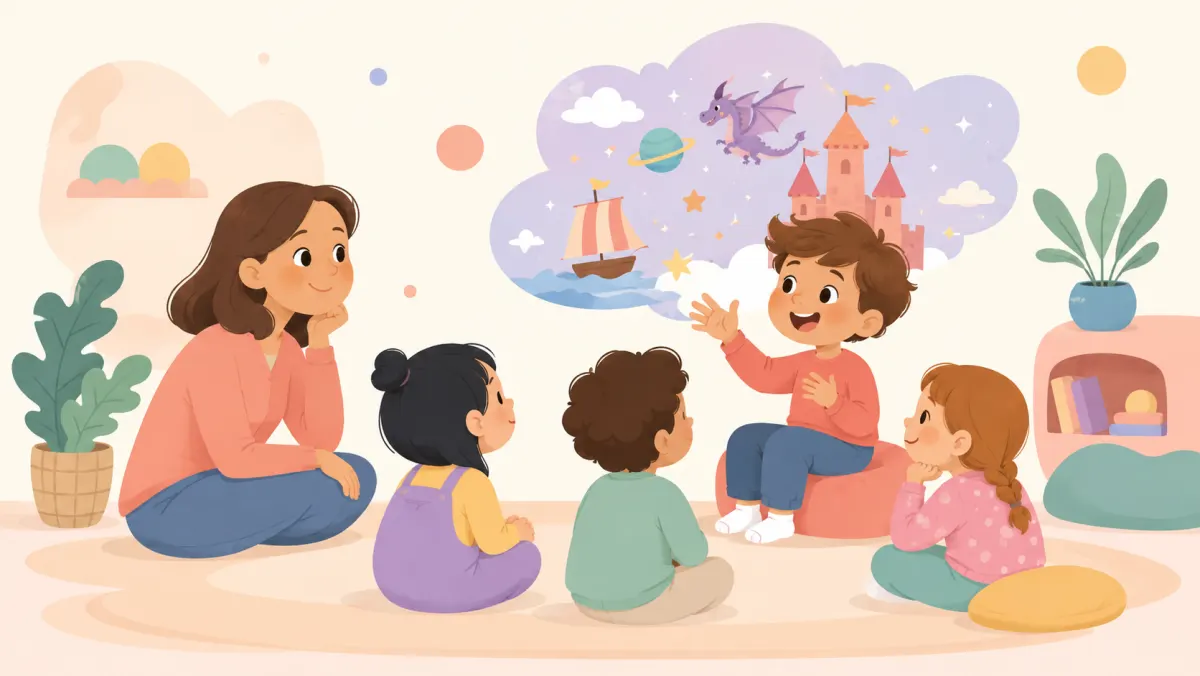
Many parents notice that children enjoy telling stories when they have a reason to share. Storytelling contests give children a goal, a chance to prepare, and a moment to speak in front of others. The focus is not only winning, but learning to organize thoughts and express ideas clearly.
Before a contest, children may practice choosing a beginning, adding details, and remembering the order of events. These small steps can help a child feel more prepared when it is time to share a story with classmates, family members, or a wider audience in public. The routine of preparation can also make the experience feel familiar.
How Do Kids Gain Confidence Telling Stories
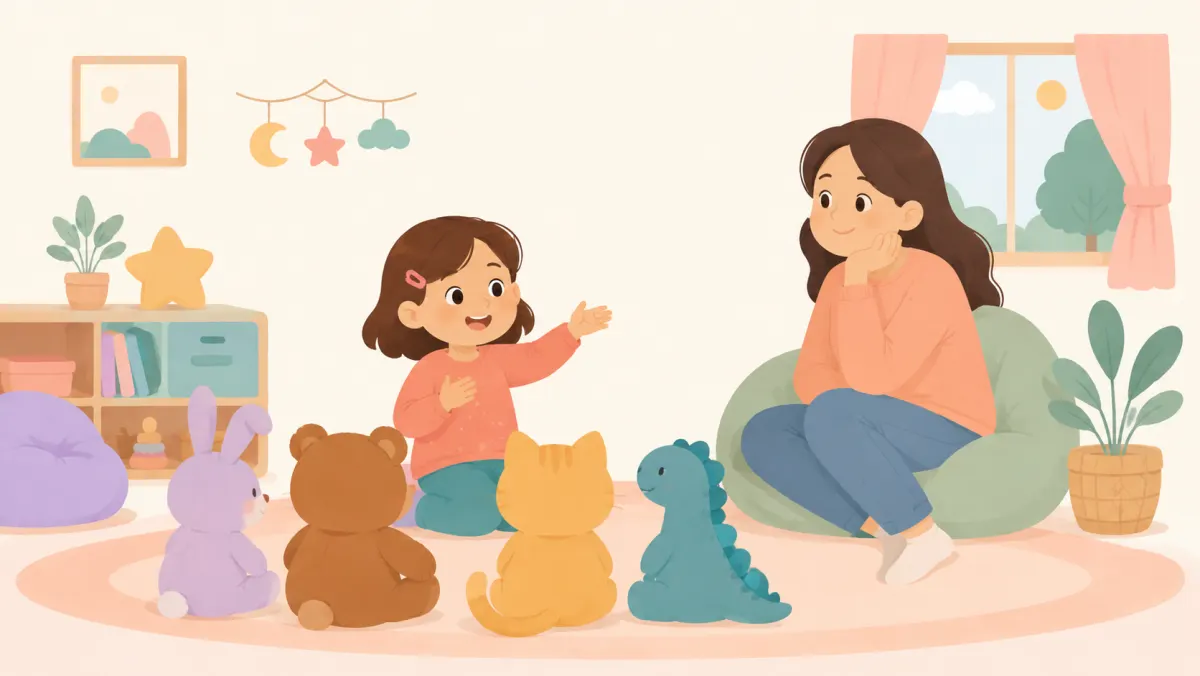
Children build storytelling confidence by trying, practicing, and receiving encouragement along the way. A contest can turn a simple story into a meaningful project where a child makes choices about characters, settings, and feelings. Over time, these moments can help children see themselves as capable storytellers who have something valuable to share.
Parents can support the process by listening during practice and asking what the child wants others to understand. Gentle questions can help children improve their stories without making the experience feel like a test or performance review. A supportive response helps children focus on sharing ideas and enjoying the creative process.
What Do Children Learn From Storytelling
Storytelling contests are about more than standing on a stage. They give children a reason to explore their imagination, describe experiences, and think about how their words affect listeners. The process can also help children notice the value of clear communication. It can also make sharing ideas feel more comfortable for many children.
A child who practices sharing stories may become more comfortable speaking during everyday moments too. Telling a family story, explaining a favorite idea, or sharing a classroom thought can all become easier with practice. These small conversations give children more chances to use their voice with comfort.
How Can Parents Support Story Practice
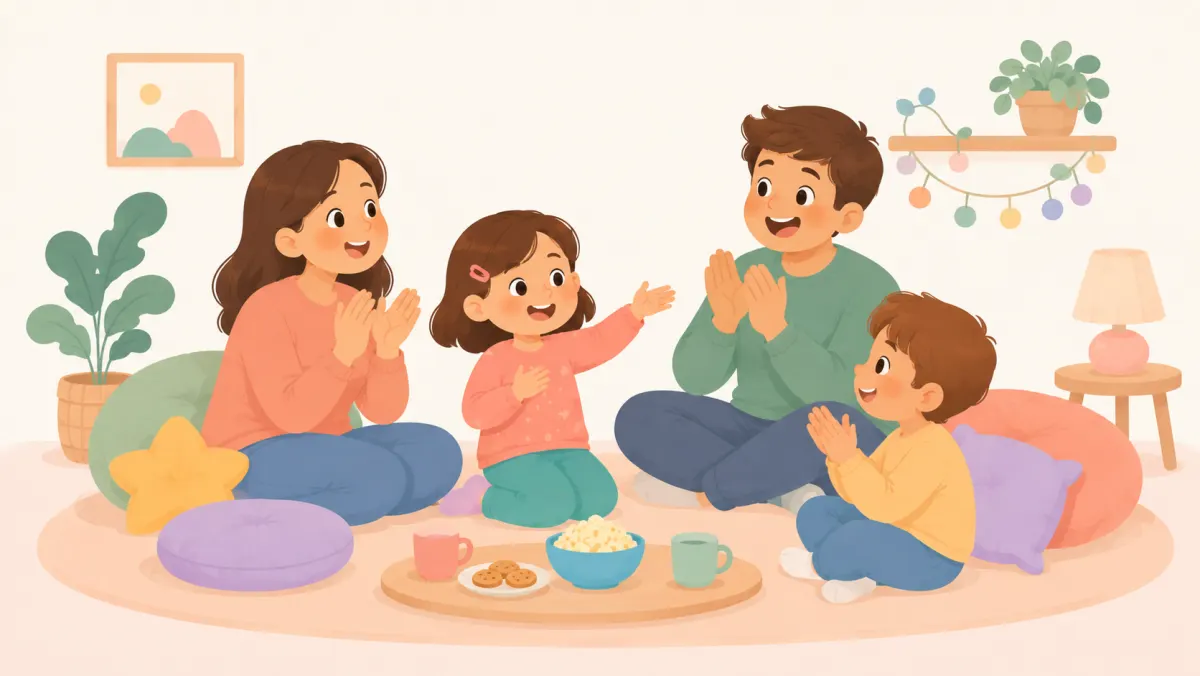
Parents can help kids prepare for storytelling contests by making practice relaxed and enjoyable. Reading favorite stories together, creating new characters, or retelling a family memory can make storytelling feel natural. Short practice sessions can become a positive part of family time. This can give children a sense of ownership during the creative process.
The best support often comes from showing interest in the child's ideas rather than correcting every detail. When children feel heard, they are more likely to keep creating stories and sharing their unique viewpoints. Encouragement can remind them that their imagination and effort both matter.
Why Does Storytelling Matter Today
Children's storytelling contests can inspire a positive relationship with speaking and creativity. The experience of preparing a story, sharing it, and reflecting afterward can teach valuable habits that last beyond the event. It can also help children recognize their own progress over time. Children can also learn that each story can be meaningful and personal.
Every child approaches storytelling differently, so parents can focus on progress instead of comparison. A quiet child may enjoy small sharing moments, while another may love performing for a group. Both experiences can help build comfort with communication and creative expression in daily life.
Parents also ask
Are storytelling contests good for shy children?
Storytelling contests can give shy children a structured chance to share ideas at their own pace. With gentle practice and encouragement, the experience may help them feel more comfortable speaking in front of others.
How can I help my child prepare for a storytelling contest?
Parents can help by listening to practice stories, asking about favorite parts, and creating a relaxed space for sharing. The goal is to support creativity and comfort rather than perfect performance.
Does winning matter in a storytelling contest?
Winning is only one part of the experience. Preparing a story, presenting ideas, and learning from the process can be valuable moments for children regardless of the final result.
Practical ideas from our team, not medical advice. For anything about your child's health, sleep, or development, please check with your pediatrician.
Turn today's idea into their own story
Make a 1-minute animated story where your child is the hero.
Start A Story