

How Can You Say No Kindly?
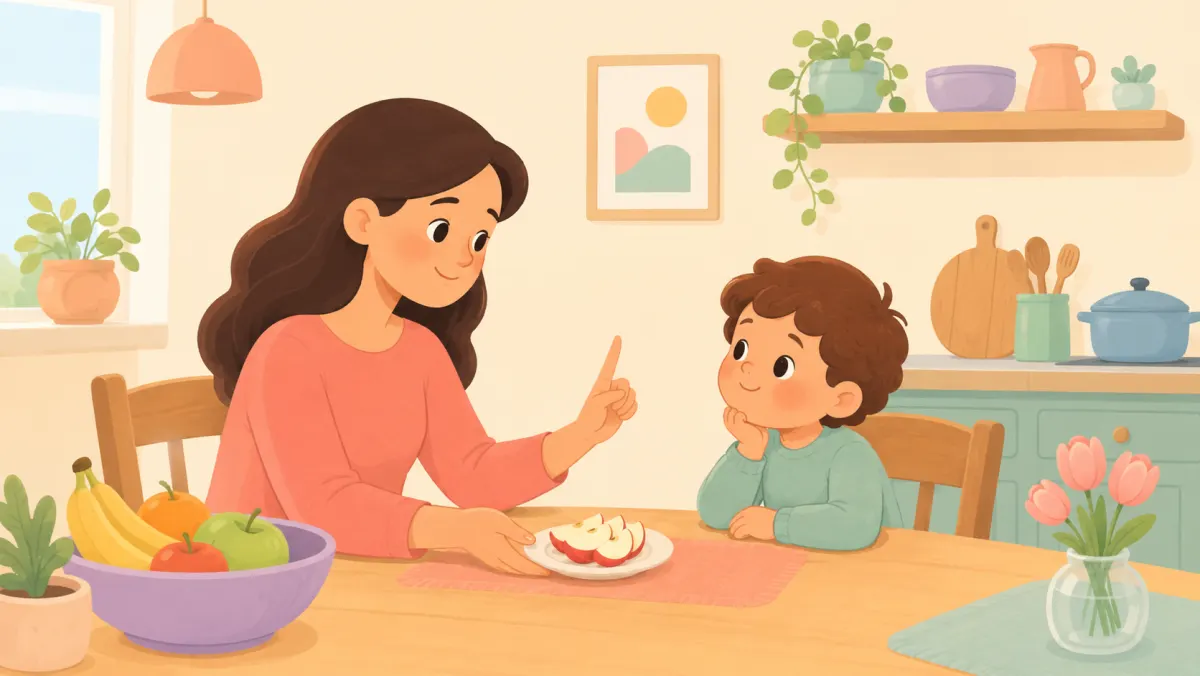
Start with a simple answer, then add a little warmth. Instead of saying, "Absolutely not, stop asking," try, "No more cookies tonight. I know you really wanted another one." Get close enough to make eye contact, use a normal speaking voice, and keep your explanation short. Your child doesn't need a long speech about sugar when they're standing in the kitchen hoping for dessert.
The trick is to sound like you've already made your decision, not like you're opening a discussion. Say, "We're not buying a toy today," rather than, "I don't think we should get a toy, okay?" You can smile, offer a hug, or recognize how disappointed they feel. Kindness lives in your tone and your actions. It doesn't require turning every no into a yes.
What Should You Say When They Cry?
When your child cries after hearing no, resist the urge to immediately fix the feeling. Imagine you've just said that screen time is finished. Your child protests and starts crying. Try saying, "You wish you could keep watching. It's hard to stop something fun." Then stay nearby. You don't have to repeat your explanation five times or offer another episode to make the tears disappear.
For a younger child, you might sit beside them and offer your hand. For an older child, you could say, "I understand you're upset. I'm here when you want to talk." Some children want closeness, while others need a little space. Either response is fine. The important part is allowing disappointment without treating it as an emergency. Your child can be upset, and the boundary can remain.
How Do You Stop Repeating No?
Children sometimes ask the same question in several different ways, especially when they remember a previous no eventually becoming a yes. Before answering, make sure your decision is one you can reasonably keep. Then use the same short response. If bedtime is at eight and your child asks for another game, say, "We're finished playing tonight. It's time to get ready for bed." Avoid adding new explanations every time they ask.
If the question comes again, you can respond, "I hear you. My answer is still no." Then gently move toward the next step, such as putting the game away together. Repeating your boundary once or twice is fine, but you don't have to participate in an endless debate. Consistency is easier when you choose a few important household rules and make sure the adults caring for your child understand them too.

Can You Offer Choices Without Giving In?
A choice can help your child feel involved without changing the decision you've made. Suppose your child wants to wear sandals outside when it's cold. You can say, "Sandals aren't an option today. Would you like your sneakers or your boots?" Both choices respect the boundary. This works with ordinary routines too. If bath time is happening, let your child choose which toy comes into the tub.
Keep the choices genuine and manageable. Two options are usually easier than a long menu, especially when everyone is tired. Don't offer something you aren't prepared to follow through on. If your child rejects both options, calmly return to the original plan: "You don't want either pair. I'll choose the boots today." The choice is an invitation to participate, not a requirement before the family can move forward.
What If You Lose Your Patience?
Even when you know exactly what you want to say, a long day can make a simple request feel enormous. You might snap, raise your voice, or say something sharper than you intended. Once things settle, go back and repair that moment. Try, "I'm sorry I shouted when you asked for another story. I was frustrated, but I should have spoken more kindly." Keep the apology focused on your behavior.
You can apologize without changing the original answer. Add, "We're still finished with stories tonight. We can read another one tomorrow." If the boundary itself was unfair, it's also okay to reconsider it and explain why. Being consistent doesn't mean pretending every decision is perfect. Tonight, pick one familiar situation, perhaps snacks, toys, or bedtime, and practice saying no in one calm sentence. Small moments give both of you room to learn.
Parents also ask
Is it okay to say no when my child cries?
Yes. Crying can be a natural response to disappointment, and you don't need to reverse a reasonable boundary to stop it. Stay close, acknowledge what your child wanted, and offer comfort if they welcome it. Your child can have big feelings while you keep your answer steady.
What should I do when my child keeps asking why?
Give one clear, age-appropriate explanation. For example, "We aren't having candy before dinner because we're eating soon." If the questions continue, you can say, "I understand you want a different answer. My decision hasn't changed." You don't need to defend the same boundary indefinitely.
How can I say no without sounding too strict?
Use a warm voice, acknowledge your child's feelings, and explain the boundary in simple language. Avoid threats or long lectures. You can also offer an acceptable alternative, such as choosing a bedtime book instead of watching another show. Being gentle doesn't mean making every request negotiable.
Practical ideas from our team, not medical advice. For anything about your child's health, sleep, or development, please check with your pediatrician.
Turn today's idea into their own story
Make a 1-minute animated story where your child is the hero.
Start A Story