
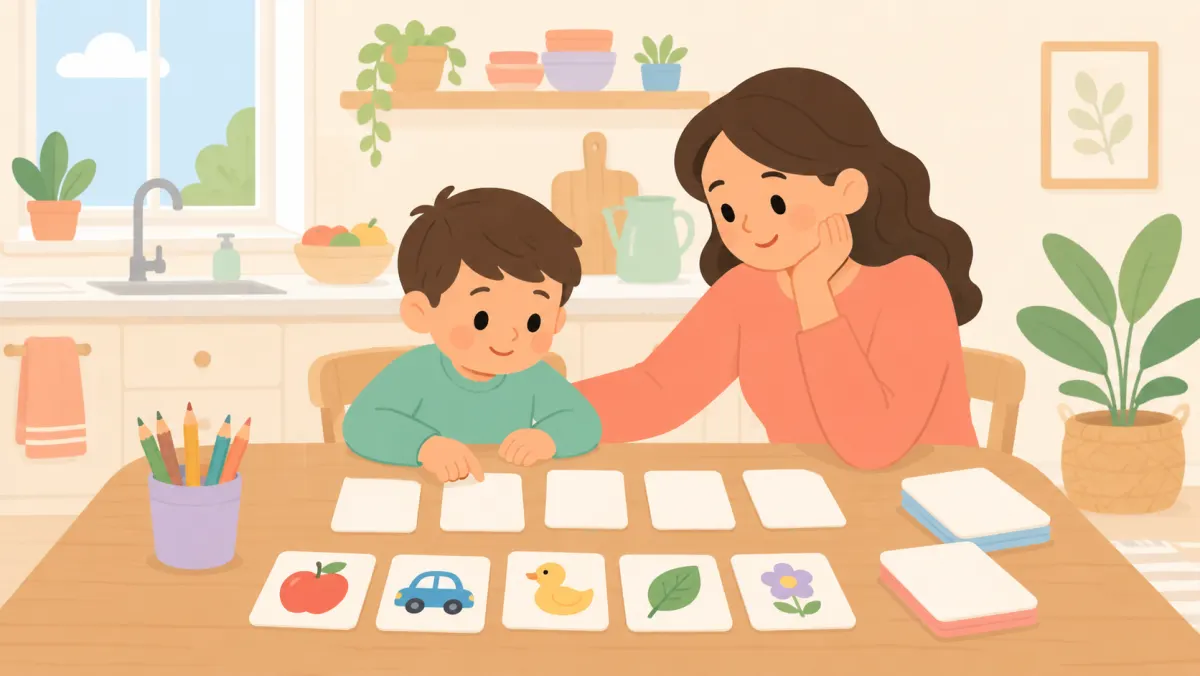
How Do Spelling Bees Build Memory
Spelling bees require children to remember how words look, sound, and fit together. During practice, many children repeat words, notice patterns, and connect new words with ones they already know. These steps help make learning more active than simply reading a list.
Memory grows stronger when children return to information over time. A child might practice a few words, take a break, and review them again later. This routine helps children become familiar with spelling patterns without making every session feel overwhelming.
What Should Kids Practice First
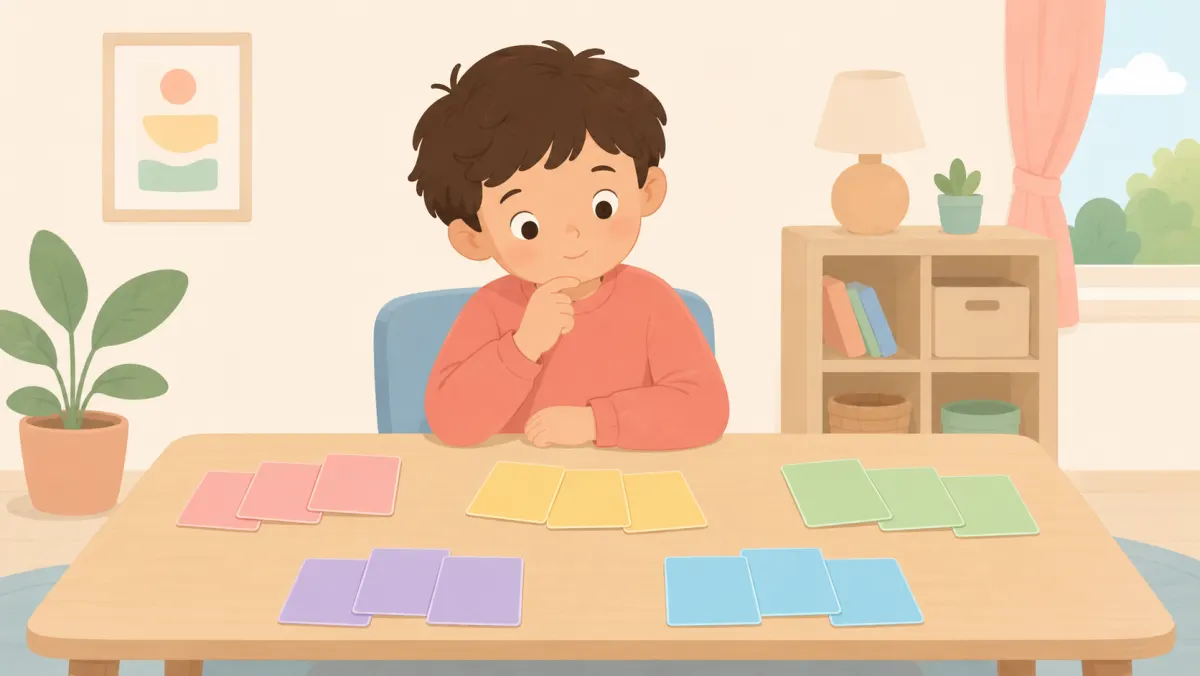
Good spelling practice often starts with words that match a child's current learning level. Children can begin by noticing common letter groups, sounds, and word endings. Writing words by hand, saying them aloud, and using them in sentences can make practice feel more meaningful.
Parents can help children organize practice by choosing a small group of words at a time. A simple notebook or word card system can make it easier to see progress and remember which words need another look.
How Can Parents Make Practice Fun
Spelling practice does not have to feel like a test every day. Families can turn review into quick games, friendly challenges, or creative activities that let children use their imagination. The goal is to help children feel curious about words and comfortable making mistakes while learning.
Children often enjoy activities that connect learning with their interests. A favorite book, hobby, or personal story can provide new words to explore. Keeping practice positive can help children build confidence as they prepare for spelling challenges.

Why Memory Tricks Help Children Learn
Many children remember words more easily when they create connections. They might group words by similar sounds, break longer words into smaller parts, or imagine a picture that matches a word. These simple techniques give the brain more ways to recall information later.
Parents can encourage children to discover which methods feel natural for them. Some children like writing words several times, while others prefer saying sounds aloud or creating associations. Finding a comfortable approach can make practice more enjoyable.
How Spelling Skills Help Beyond Contests
The habits children practice for spelling contests can support other areas of learning too. Remembering details, paying attention to patterns, and preparing for a goal are useful skills in school and daily life. These abilities grow through regular practice across many activities.
A spelling bee can become a chance for children to celebrate effort, curiosity, and improvement. Parents can focus on the learning process rather than only the final result. This helps children see challenges as opportunities to keep growing.
Parents also ask
How often should kids practice for a spelling bee?
Many children benefit from regular short practice sessions rather than occasional long sessions. Families can choose a routine that fits their schedule, with time for reviewing words, noticing patterns, and practicing aloud.
What is the best way to help a child remember spelling words?
Children can use several methods, including writing words, saying them aloud, studying patterns, and connecting words to meanings. Parents can help children try different approaches and keep the ones that feel helpful.
Can younger children prepare for spelling contests?
Younger children can practice spelling in age-appropriate ways by exploring sounds, letters, and simple words. The focus can be on building interest in language and enjoying the learning process.
Practical ideas from our team, not medical advice. For anything about your child's health, sleep, or development, please check with your pediatrician.
Turn today's idea into their own story
Make a 1-minute animated story where your child is the hero.
Start A Story