
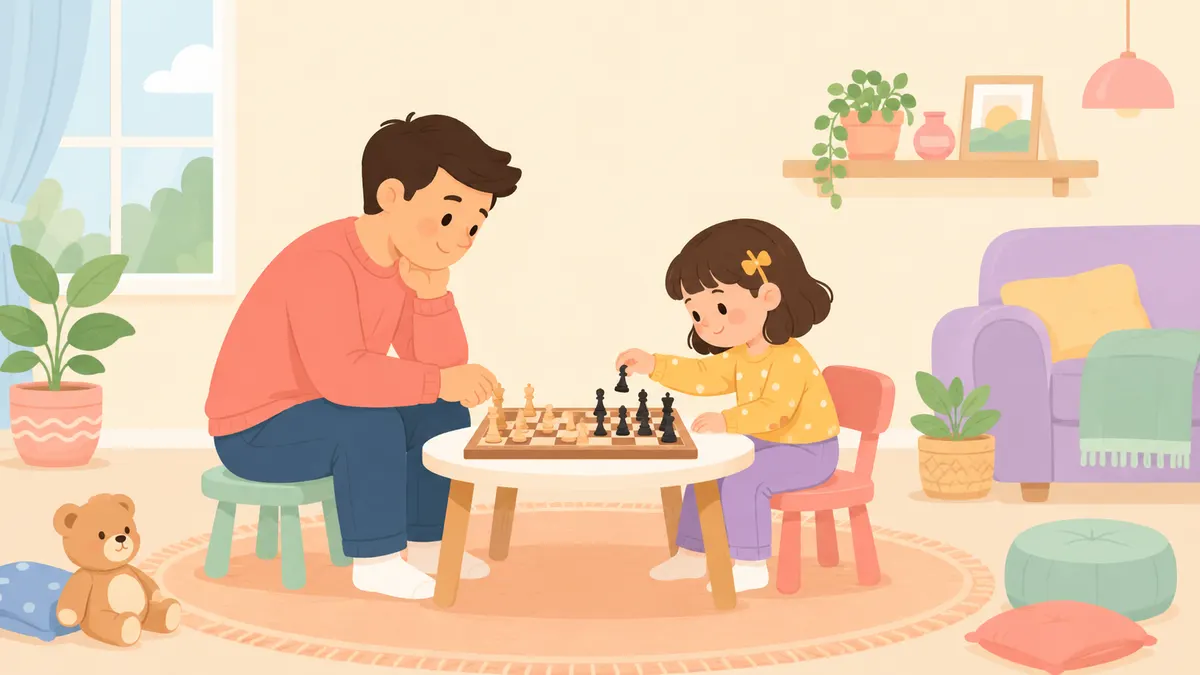
Why are kids learning chess today
Chess is becoming a popular choice for families who want a screen-free activity that feels like a game. Children learn the basics by moving pieces, following rules, and solving small challenges one turn at a time. The process can make practice feel purposeful because each move has a clear reason.
Parents often notice that chess asks children to slow down and think before acting. A child may begin by remembering simple moves, then gradually consider possible choices and outcomes. These habits can appear in homework routines, conversations, and other moments that require patience and attention.
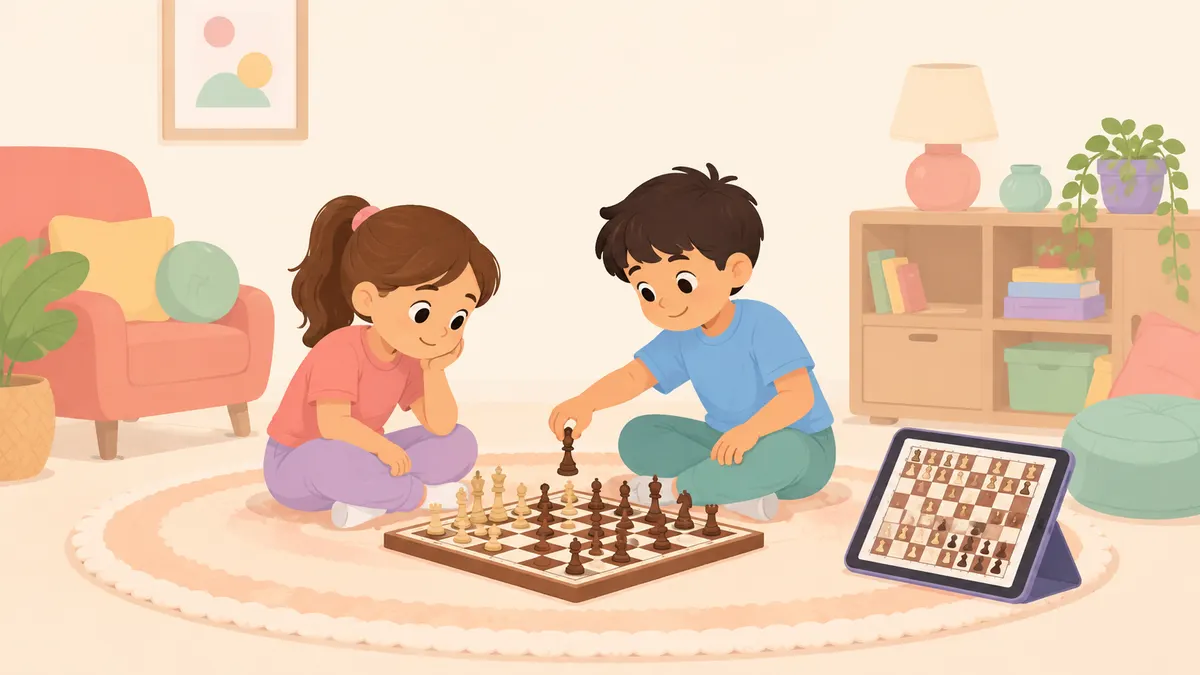
What skills does chess build
Chess gives children regular chances to plan ahead and consider different options. Each move creates a small decision, and players learn that choices can change what happens next. Over time, this can help children become more comfortable with careful thinking instead of rushing toward the first answer.
The game also encourages memory, concentration, and problem solving in a natural way. Children need to remember rules, recognize patterns, and adjust their plans during play. These skills are useful beyond the chessboard because many everyday tasks require similar kinds of thinking.
How does chess teach patience
Many children enjoy chess because every game creates a new puzzle to solve. There is no single path to a good move, so kids can experiment and learn from mistakes without needing a perfect first attempt. This can help them become more comfortable with challenges that take time.
Waiting for another player’s turn is part of the game, and children practice staying engaged while they watch what happens. A thoughtful game rewards attention and calm choices. These moments can help children understand that good results often come from steady effort.
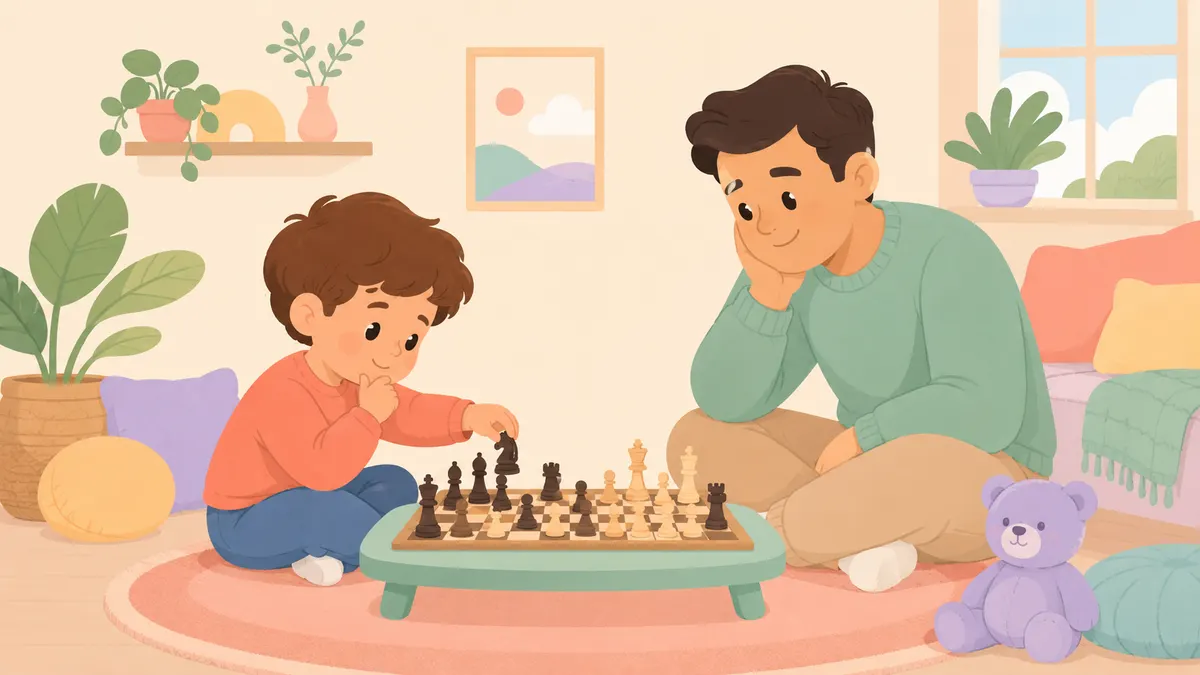
Can chess help family connection
Chess also gives families an easy way to spend focused time together. A short game at the kitchen table can create a shared routine where children explain ideas, make decisions, and practice handling wins and losses with kindness. Parents do not need to be experts to enjoy learning alongside their child.
Family chess time can become a chance for conversation rather than just competition. Asking children why they chose a move can reveal how they think. Simple questions can turn a regular game into a moment of connection and curiosity.
How can parents start chess play
Parents can introduce chess by keeping the first experiences simple and enjoyable. Children can learn one piece at a time, play short games, and focus on understanding the rules instead of trying to master everything quickly. A relaxed approach helps the activity stay fun.
The best starting point is often a routine that fits the child’s interest and attention span. Some children enjoy puzzles, while others prefer playing with a family member. The goal is to create positive experiences that encourage curiosity and continued learning.
Parents also ask
What age can children start learning chess?
Many children can begin exploring basic chess ideas when they show interest in games with rules and turns. The best starting age depends on the child’s curiosity, attention, and comfort with simple challenges.
Does my child need to be good at math for chess?
No. Chess does not require advanced math skills. Children can enjoy learning the game through patterns, planning, and decision making while building confidence through regular play and practice.
How can I make chess fun for beginners?
Keep early games relaxed by celebrating thoughtful moves, exploring pieces together, and avoiding pressure to win. Short sessions, playful challenges, and family games can help children stay interested.
Practical ideas from our team, not medical advice. For anything about your child's health, sleep, or development, please check with your pediatrician.
Turn today's idea into their own story
Make a 1-minute animated story where your child is the hero.
Start A Story