
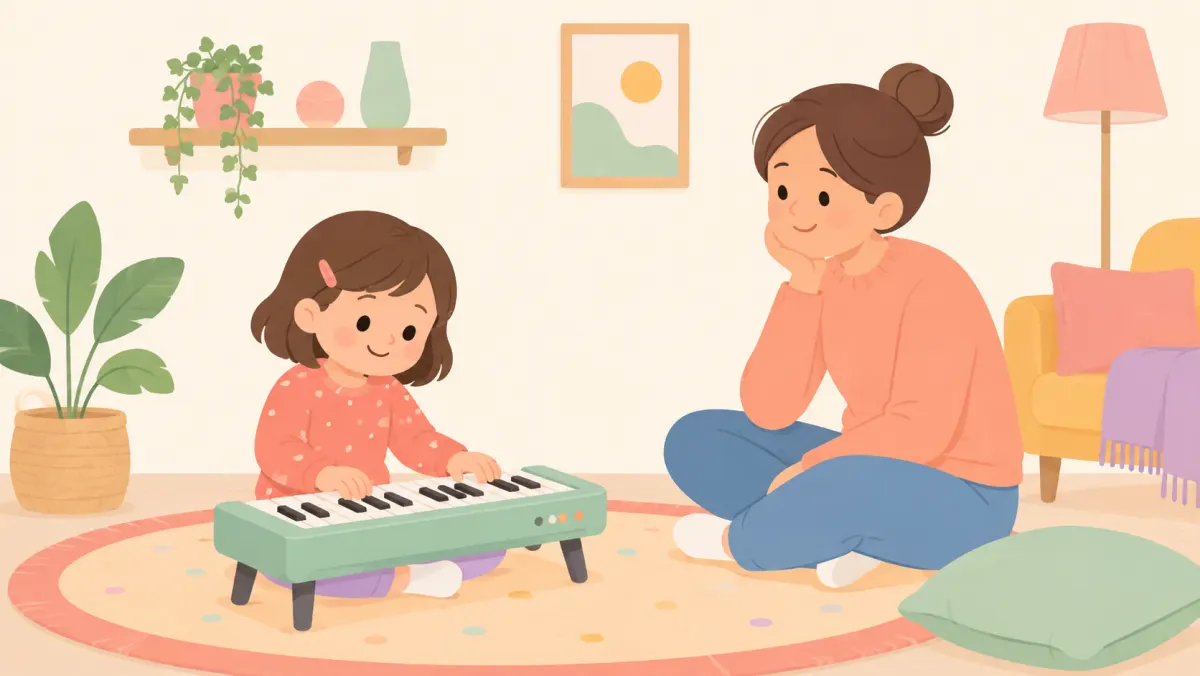
What motivated music practice looks like
A child who loves an instrument may practice in small bursts that barely look organized. They might play the same four bars repeatedly, experiment with a melody, or return to a favorite song several times during the day. The important difference is that something keeps pulling them back. Practice becomes connected to a sound they want to create rather than simply a task they need to finish.
This does not mean every minute is productive. Children still get distracted, rush difficult passages, or play familiar sections instead of tackling harder ones. Yet voluntary repetition matters. When a child chooses to try again after making a mistake, the instrument is giving them an immediate reason to persist. Parents can notice that interest without turning every spontaneous playing session into a formal lesson.
Why favorite songs change practice
A favorite piece gives practice a purpose a child can hear. Scales, chord changes, fingering, rhythm, and repeated notes are no longer separate exercises. They become things the child needs to master to make the music sound right. That connection can make repetition easier to accept because there is a satisfying destination behind the work.
Parents can use this without abandoning lesson material. Ask which song, section, or sound your child most wants to play well. Give that goal some space alongside assigned practice. A child might spend ten focused minutes improving one tricky transition because it belongs to a piece they care about. Personal interest can sit comfortably beside structure rather than competing with it.
Should parents still remind kids
Yes, especially with younger children. Enjoying music does not automatically create planning skills or a reliable routine. A child can genuinely love the violin and still forget to take it out of its case. Gentle reminders, a predictable practice time, and an instrument that is easy to access can remove small obstacles without making parents responsible for every note.
Try making the reminder about starting rather than finishing. Instead of focusing immediately on minutes completed, help your child begin one specific task. They might warm up, play yesterday's difficult measure, or perform a favorite piece once. Starting often feels easier than facing an undefined practice session, and children who already enjoy playing may continue naturally once the instrument is in their hands.
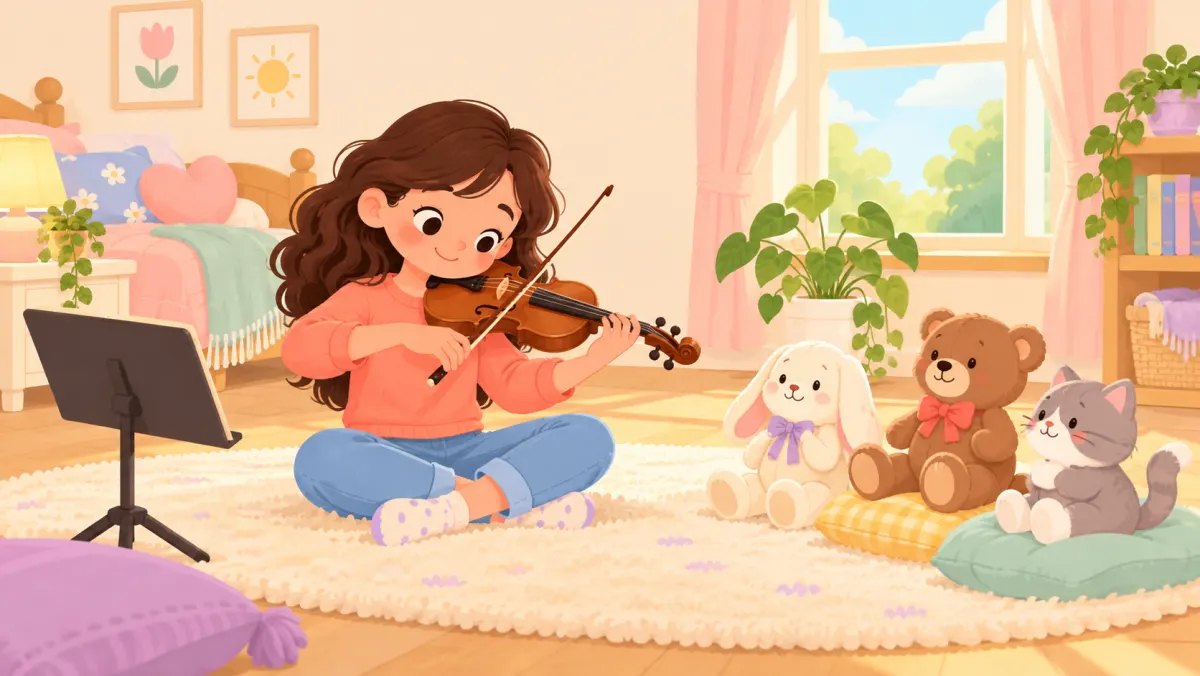
How much choice should kids get
Choice works best inside simple boundaries. A parent might keep the general practice routine steady while letting the child decide whether to begin with a favorite piece or lesson work. Children can also choose which difficult section to tackle first. These small decisions give them some control without leaving the entire routine dependent on how they feel that afternoon.
Listen for the choices your child already makes. Perhaps they always return to rhythm, love playing by ear, enjoy performing for family, or spend extra time making a melody sound expressive. Those preferences reveal what makes music rewarding for them. Supporting that interest can make practice feel more personal while still leaving room for the less exciting skills that help them improve.
How parents can protect music motivation
Be careful not to turn enthusiasm into a bigger workload simply because your child is doing well. A child who happily plays for twenty minutes does not necessarily need to be pushed toward forty. Interest needs room to stay enjoyable. Notice persistence, careful listening, and problem solving rather than praising only flawless performances or how long your child practiced.
It also helps to let some music remain playful. Children can invent tunes, play familiar melodies differently, perform for a stuffed animal audience, or simply explore interesting sounds. Not every minute at an instrument needs a measurable outcome. When structured practice and free playing can exist together, children have more opportunities to remember why they wanted to make music in the first place.
Parents also ask
What if my child loves music but hates practicing?
Separate loving music from loving a practice routine. Try shorter sessions, clearer starting tasks, and more room for favorite pieces. Your child may enjoy playing while finding repetition or assigned exercises frustrating, so changing the structure can make practice feel more manageable.
Should I reward my child for practicing music?
Simple encouragement can help, but rewards do not need to become the main reason for playing. Notice effort, persistence, and improvement. Whenever possible, let satisfying musical experiences, such as finally playing a favorite passage smoothly, become part of the reward.
How can I tell if my child enjoys their instrument?
Look beyond whether they complete assigned practice. Children who enjoy an instrument may play without being asked, repeat favorite passages, experiment with sounds, talk about songs they want to learn, or return after becoming frustrated. These everyday behaviors can show genuine interest.
Practical ideas from our team, not medical advice. For anything about your child's health, sleep, or development, please check with your pediatrician.
Turn today's idea into their own story
Make a 1-minute animated story where your child is the hero.
Start A Story