
How Do Kids Learn Through Robotics Teams
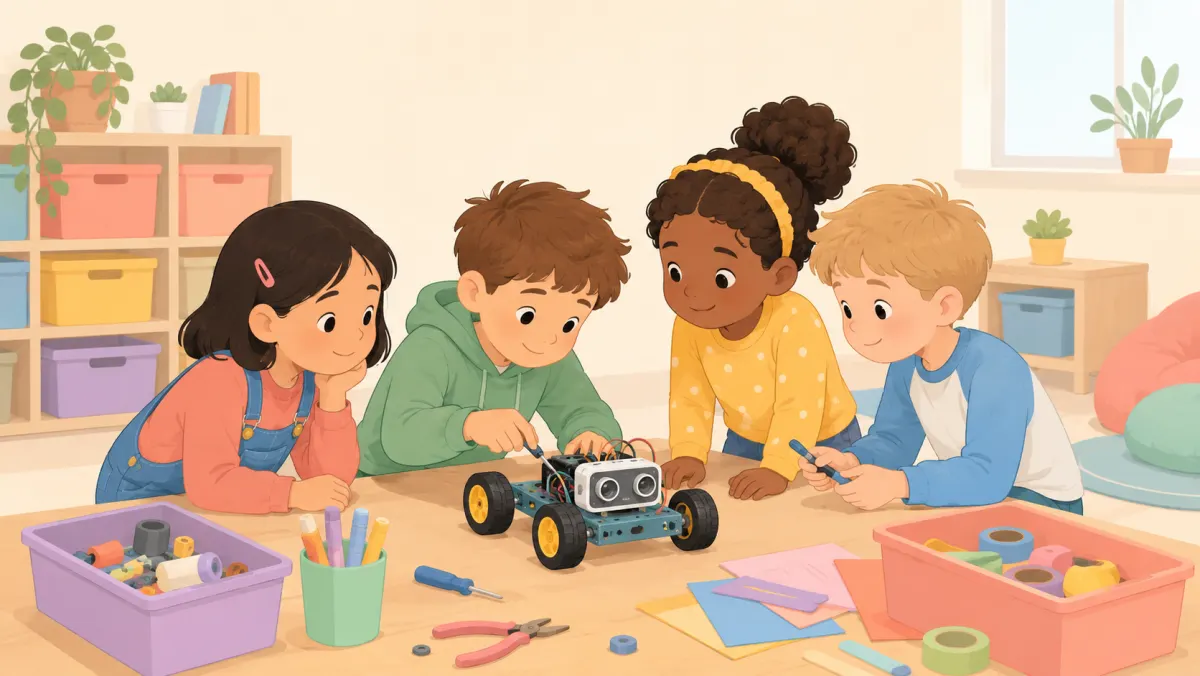
Robotics teams give children a chance to build, test, and improve ideas with others. A project may not work the first time, and that experience teaches kids to look at problems from different angles instead of giving up quickly. They learn that progress can come from small changes made after each attempt.
Working together also changes how children see mistakes. They can share what went wrong, listen to teammates, and make a new plan. These moments show that learning is often a group effort, where every person contributes ideas and helps the team move forward.
Why Do Robotics Teams Practice Failure
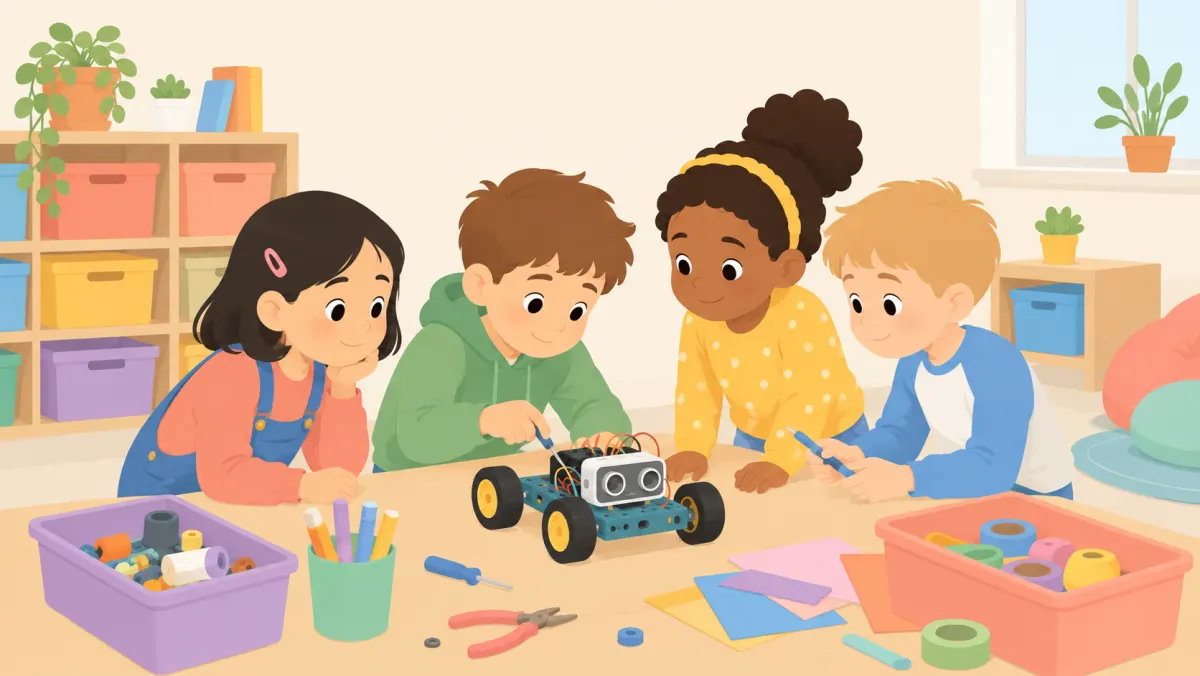
Many parents worry when children feel disappointed by a failed attempt. Robotics can show kids that setbacks are a normal part of creating something new. A design that needs changes becomes a lesson rather than a reason to stop trying, especially when children see their teammates facing similar challenges.
Teams often review their work after testing and discuss what they could change. This habit helps children become more comfortable with feedback and more willing to try another approach. They begin to understand that improvement usually happens through repeated practice, patience, and careful thinking.
What Skills Do Kids Robotics Teams Build
Kids robotics team experiences can involve building, coding, planning, and explaining ideas. Children also practice communication because they need to share tasks, ask questions, and make decisions with other team members. These activities bring together creative thinking and practical skills in a hands-on way.
The skills reach beyond the robot itself. Learning to organize a project and support classmates can help children approach school activities with more confidence and patience. They practice listening, sharing responsibility, and understanding how different strengths can help a group succeed.
How Can Parents Support Robotics Learning
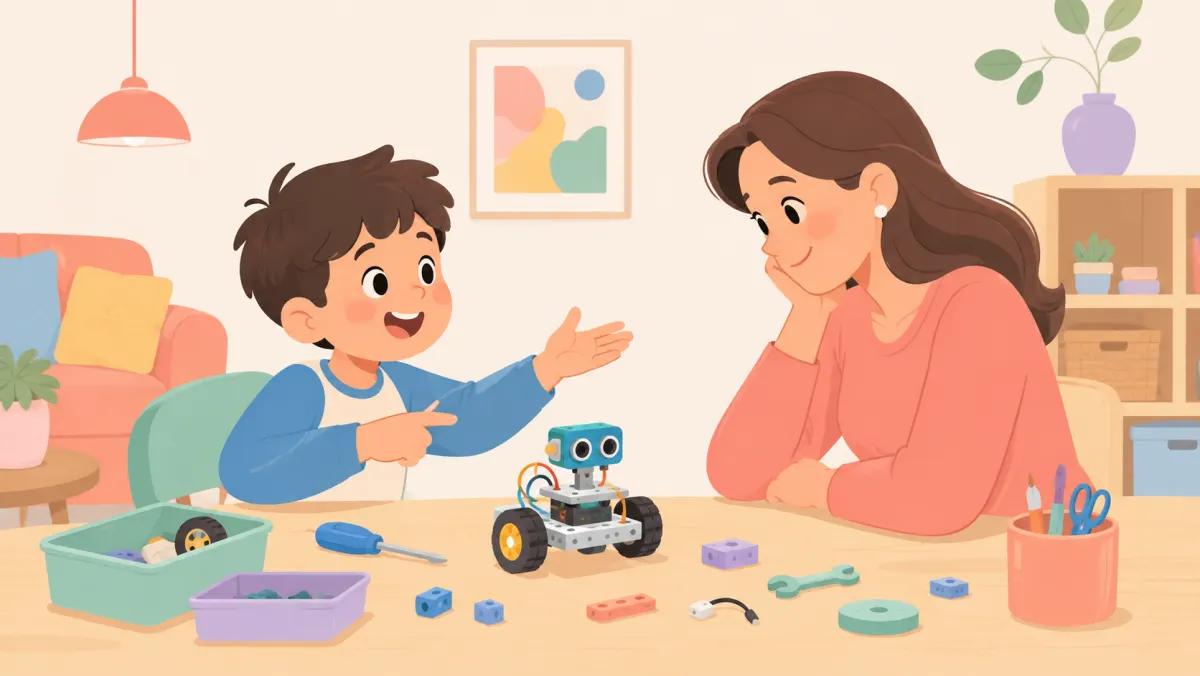
Parents do not need to know how every robot works to encourage this kind of learning. Asking questions about the process can help children explain their ideas and reflect on what they discovered. Simple conversations about what changed and why can make the experience more meaningful.
A helpful approach is praising effort, curiosity, and teamwork instead of only focusing on whether the final project succeeds. Children learn that improvement matters just as much as the finished result. They also learn that asking for help and trying again are normal parts of learning.
Why Teamwork Matters In Modern Learning
School robotics teams reflect a broader shift toward hands-on learning where children solve problems by doing. They combine creativity, practical thinking, and collaboration in a way that feels active and meaningful. Children are not only learning facts, but also practicing how to work through challenges with others.
For many children, the biggest lesson is not about the robot they build. It is about becoming someone who can work with others, handle challenges, and keep learning after mistakes. Those habits can become valuable parts of how children approach new experiences.
Parents also ask
Is a robotics team only for kids who like technology?
No. Robotics teams can include children who enjoy building, storytelling, organizing, designing, or solving puzzles. Many different interests can contribute to a team project, so children can find a role that fits their strengths.
How can I help my child after a robotics mistake?
Encourage your child to talk about what happened and what they might try next. Helping them focus on the process can make mistakes feel like useful information instead of a reason to quit.
What does a child learn from working on a robotics team?
Children can practice teamwork, communication, planning, and problem solving. They also learn how to share ideas, accept feedback, and improve a project through testing and changes.
Practical ideas from our team, not medical advice. For anything about your child's health, sleep, or development, please check with your pediatrician.
Turn today's idea into their own story
Make a 1-minute animated story where your child is the hero.
Start A Story