
What Do Science Fairs Really Show?
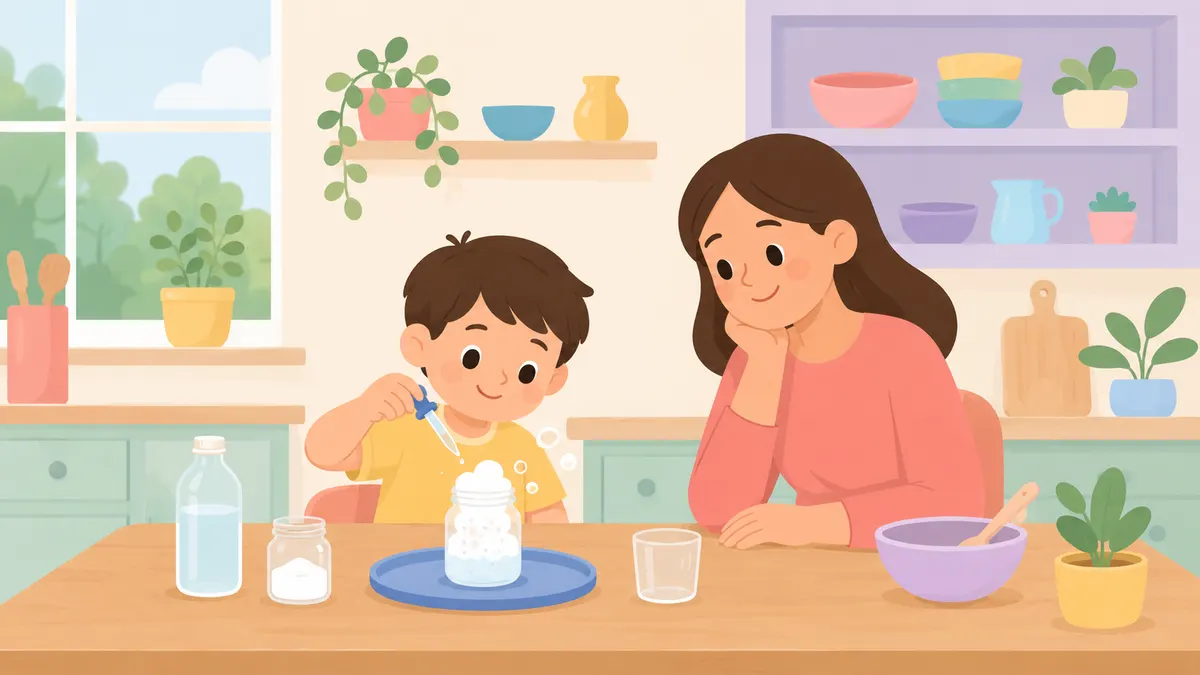
A science fair project shows more than whether a child understands one topic. It can reveal how they begin when instructions are broad, what details they notice, and whether they can turn a big question into smaller steps. Some children plan everything first. Others need to start experimenting before they understand what they want to test.
Parents may also notice how their child reacts when reality disagrees with the original idea. A drooping plant, a weak bridge, or an unexpected reaction can become the most useful part of the project. Children learn that solving a problem often means changing the plan, checking the setup, and trying again instead of protecting the first idea.
How Do Kids Choose Problems?
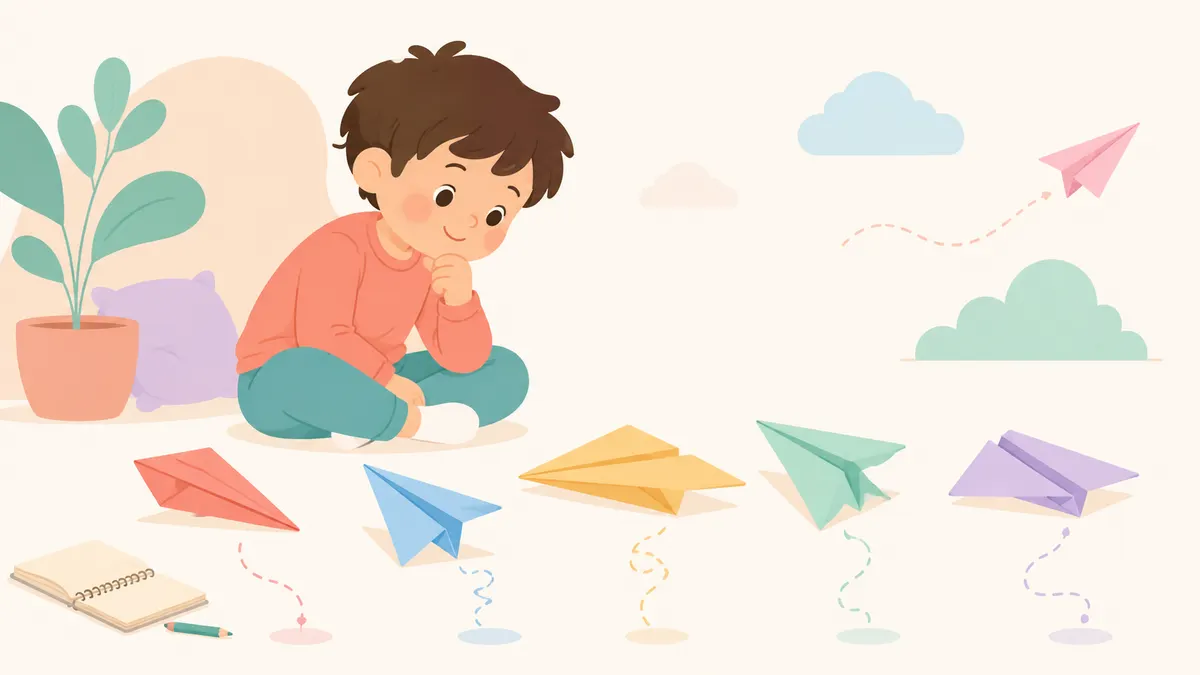
Children often begin with something concrete that caught their attention. They might wonder why one object floats, which material keeps something warmer, or what makes a paper structure stronger. These questions may sound small, but they require the child to decide what can actually be tested and what needs to stay the same during the experiment.
That choice matters because a manageable question gives children room to think for themselves. When a project becomes too complicated, adults can end up making most of the important decisions. A simpler experiment often reveals more about the child's reasoning because they can explain the question, make predictions, organize materials, and understand what each step is meant to show.
Why Do Failed Experiments Matter?
A project that does not work as expected is not automatically a poor project. It gives a child something real to investigate. Maybe the measurements were inconsistent, one condition changed halfway through, or the original prediction simply was not supported. Looking closely at those possibilities is part of scientific problem solving, even when the final result looks messy.
This is where children practice separating effort from outcome. They can ask what happened, what they would change, and whether the test answered the original question. Parents can help by treating surprising results as information instead of disappointment. That response makes it easier for children to stay curious and talk honestly about mistakes rather than hiding them.
How Much Should Parents Help?
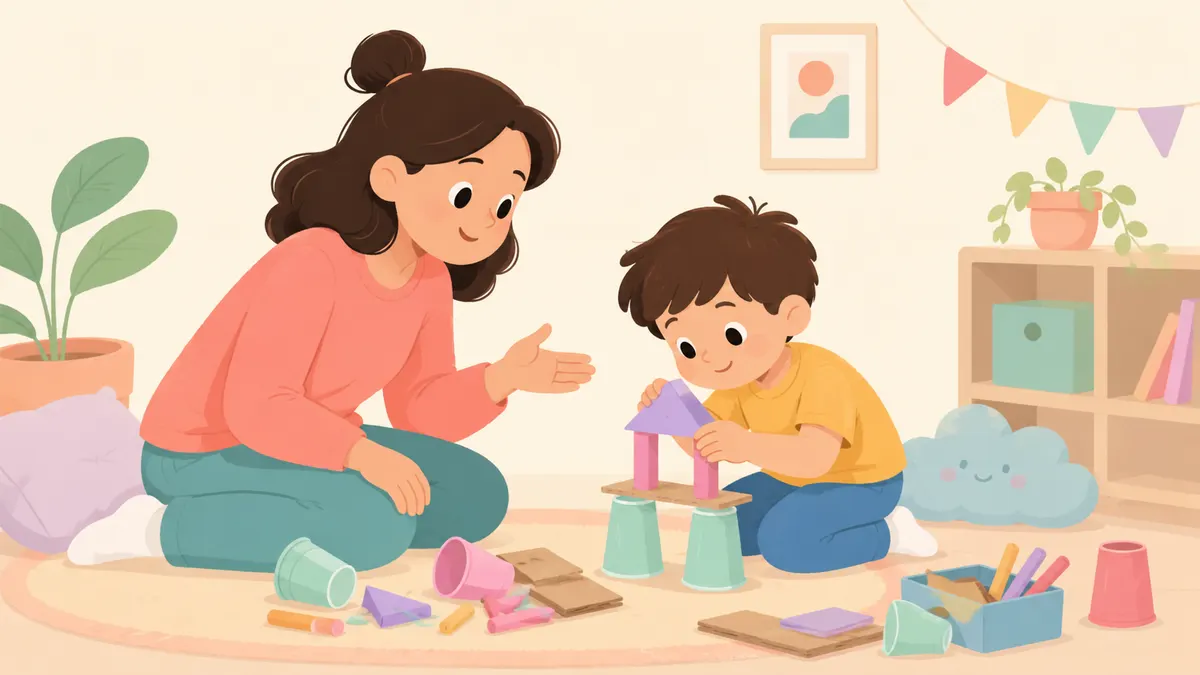
The most useful help usually comes through questions. A parent can ask what the child is trying to find out, which part should stay the same, how results will be recorded, or what might make the test unfair. Those questions support the child's thinking without quietly turning the project into an adult assignment.
Practical help can still be appropriate, especially with materials, safety, scheduling, or tasks that are genuinely difficult for a child to do alone. The goal is not perfect independence. It is keeping the main decisions, observations, and explanations with the child. If they can describe what they did and why they did it, the project still belongs to them.
What Can Parents Learn From Projects?
Watching a child work on a science fair project can show which parts of problem solving come naturally to them. One child may love building but dislike recording results. Another may organize carefully but hesitate when something changes. A third may ask endless questions yet struggle to choose one idea and finish it. These differences are normal parts of learning.
Parents can use those observations in everyday situations beyond science. A child who rushes through testing may benefit from slowing down during homework or cooking. A child who becomes stuck after one mistake may need practice trying a second approach. The point is not to label a learning style. It is to notice useful habits and give children more chances to practice them.
Parents also ask
Should a science fair project work perfectly?
No. A useful project can produce unexpected or unclear results. What matters is whether the child can describe the question, explain what they tried, notice what happened, and think about what they might change next time.
What makes a good science fair question for kids?
A good question is specific enough to test with available materials and simple enough for the child to understand. Questions comparing materials, conditions, designs, or repeated trials often work well because children can observe differences and explain what they changed.
How can I help without doing the project?
Ask the child to explain each decision before offering a solution. You can help gather materials, manage safety, or create a schedule, while leaving the prediction, testing choices, observations, and final explanation in the child's hands.
Practical ideas from our team, not medical advice. For anything about your child's health, sleep, or development, please check with your pediatrician.
Turn today's idea into their own story
Make a 1-minute animated story where your child is the hero.
Start A Story