

Why mornings feel rushed before school
Many families lose time because small tasks pile up during the busiest part of the day. A child may still be finding socks, packing a bag, or deciding what to eat while the clock keeps moving. A simple plan can move these choices earlier and make the morning feel more predictable.
Start by watching one school morning without trying to fix everything at once. Notice the moments that create delays, then choose one or two changes that fit your family. Small routines are easier for children to remember when they happen in the same order each day.
How to build a kids morning routine school plan
A helpful kids morning routine school plan begins with a short list of repeatable steps. Many families choose the same order each day, such as getting dressed, eating breakfast, brushing teeth, and checking the backpack. The goal is not perfection, but helping everyone know what comes next.
Keep the routine visible in your home with simple reminders that your child understands. Younger children may enjoy pictures, while older children may prefer a short checklist. Let children take part in setting up the routine so it feels like a shared family plan too.
What to prepare the night before
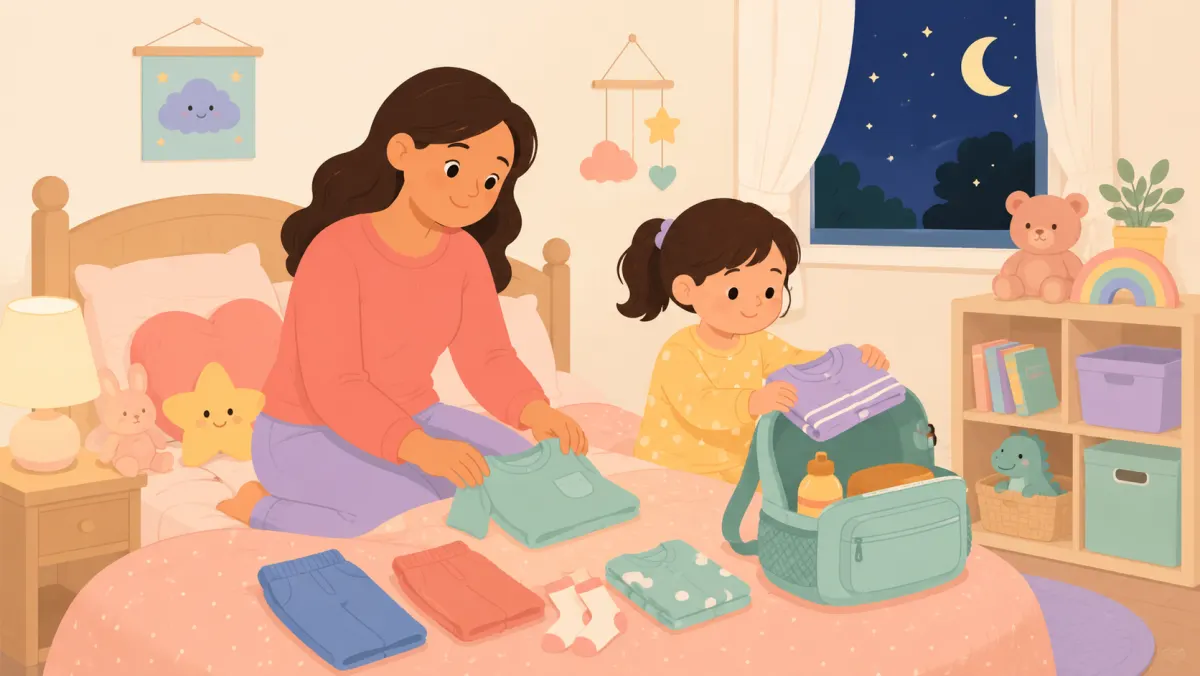
Evening preparation can remove many morning decisions. Set out clothes, place school items near the door, and check that lunch supplies are ready before bedtime. These small actions give children a smoother start because fewer things need attention when everyone is waking up together.
The best night-before routine is one your family can actually keep using. Choose the tasks that save the most time for your household. A five minute reset can be enough to make the next morning less crowded and easier to manage every day.

How children can take morning ownership
Children build confidence when they have clear jobs in the morning. A preschooler might put on shoes, while an older child might pack a bag or fill a water bottle. Matching tasks to age and ability helps children practice being responsible without making the whole routine depend on parents.
Offer gentle reminders instead of repeating every step. A question like what is your next morning job can help a child think through the routine. Over time, familiar steps can become part of how your child starts the school day with less help from you.
How to keep the routine working
A routine may need small changes as schedules, seasons, and family needs change. If mornings become difficult again, review the order of tasks and remove steps that are not helping. A good routine should support your family, not create another source of stress during busy school days.
Celebrate the moments that go well, even when the morning is not perfect. Children notice when parents recognize effort and progress. A calmer start can come from many small habits working together over time, giving everyone a better feeling before leaving the house.
Parents also ask
What should be included in a school morning routine?
A school morning routine can include waking up, getting dressed, eating breakfast, brushing teeth, gathering school items, and leaving at the planned time. The exact steps depend on what works best for your family.
How can I stop my child from rushing in the morning?
Reduce last minute decisions by preparing items ahead of time and keeping the same routine order each day. Simple responsibilities can help children know what to do without constant reminders.
When should we start a kids morning routine?
Families can begin a kids morning routine when children start needing regular daily steps. The routine can stay simple at first and become more detailed as children grow.
Practical ideas from our team, not medical advice. For anything about your child's health, sleep, or development, please check with your pediatrician.
Turn today's idea into their own story
Make a 1-minute animated story where your child is the hero.
Start A Story