
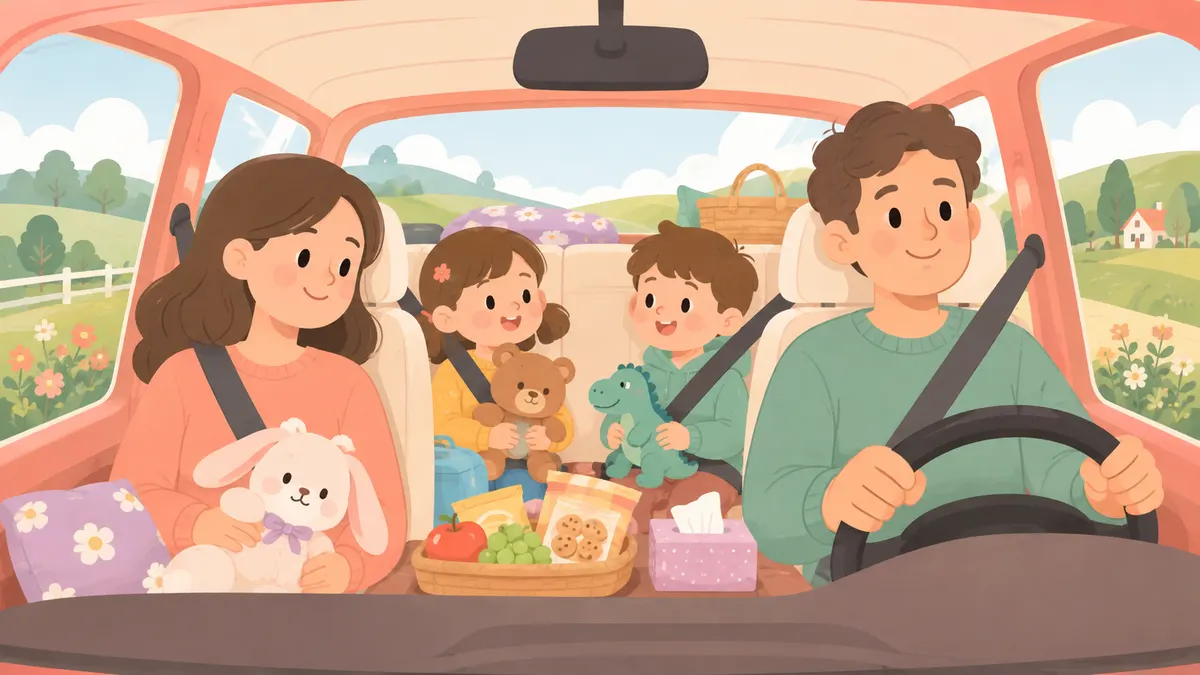
How Can I Plan Ahead
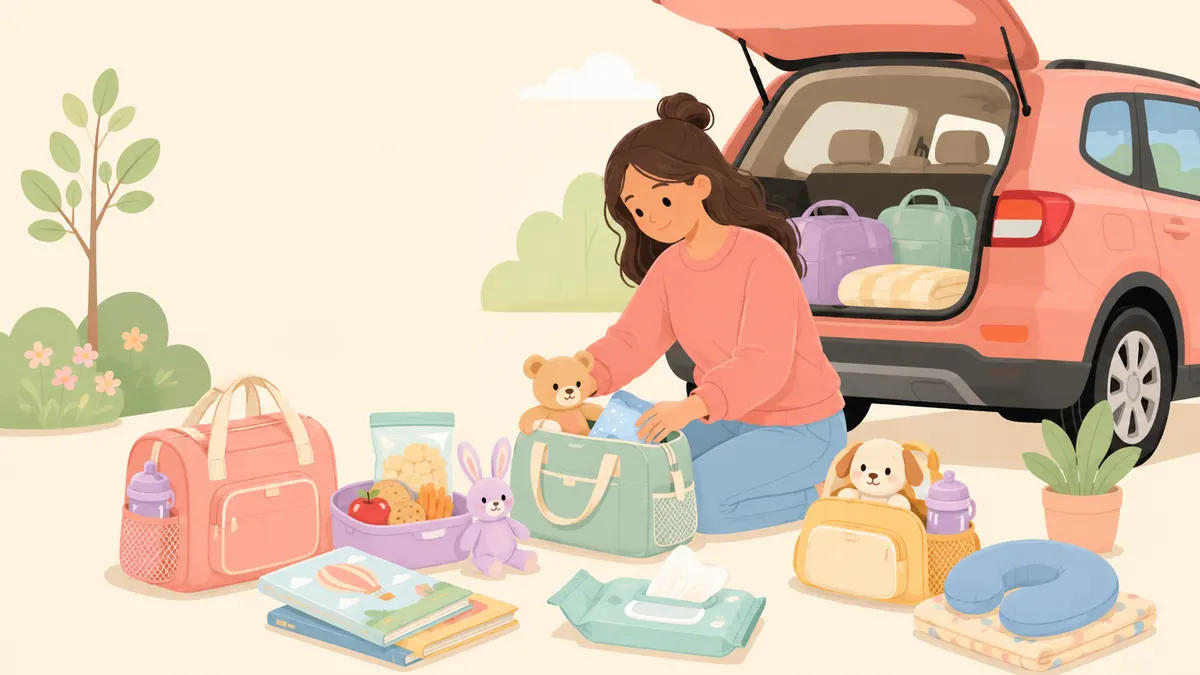
Before a long car trip with kids, prepare the basics the night before. Pack water bottles, easy snacks, wipes, extra clothes, and a small bag of activities. Keeping these items within reach can prevent many common travel frustrations when someone needs something quickly.
Think about the rhythm of your day before leaving. Some families prefer driving after breakfast, while others choose quieter hours when children usually rest. A simple plan for stops, meals, and entertainment can help everyone feel more comfortable during the journey.
What Activities Keep Kids Busy
Bring a mix of activities instead of one big source of entertainment. Coloring pages, sticker books, audio stories, and simple guessing games can give children different options when boredom arrives. Rotating activities makes each new choice feel fresh without needing a packed car full of toys.
Choose activities that match your child's age and interests. Younger children may enjoy looking for objects outside the window, while older children might like travel journals or family question games. The best choices are easy to use while sitting safely in the car.
How Do I Handle Car Snacks
Snacks can make a big difference during a long drive, especially when hunger appears between planned stops. Pack familiar foods that are easy to manage, along with water that children can reach when appropriate. Small portions can help avoid a messy car and keep options available throughout the trip.
Try organizing snacks into a small bag for each child or a shared container. This gives children some independence while making it easier for parents to see what is available. A few favorite choices mixed with something new can make snack time more enjoyable.
How Often Should We Stop
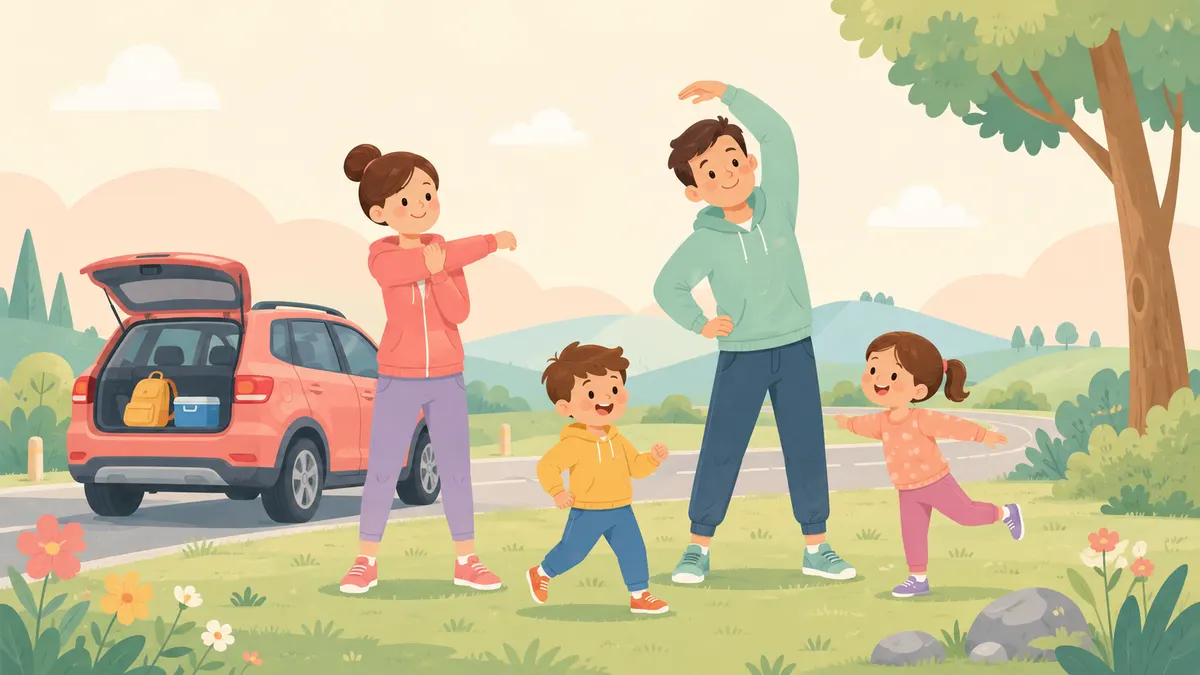
Long periods in the car can feel much harder for children when they have no chance to move around. Plan breaks where everyone can step out, use the restroom, have a snack, or simply change their view. Even short stops can make the next part of the trip feel easier.
Let children know a stop is coming before they ask repeatedly. Sharing the plan helps them understand what will happen next. A calm reminder about the next break can prevent some frustration and gives the whole family a shared goal during the ride.
How Can Parents Stay Calm
Children often notice the mood in the car, so parents can help by keeping expectations realistic. There may be complaints, repeated questions, or moments of boredom. Having a calm response ready can make these normal parts of travel feel less stressful for everyone.
Remember that a successful trip does not mean every minute is quiet and easy. It means your family reaches the destination with good memories and a few funny stories. Small preparations, patience, and flexibility can turn a difficult drive into a manageable family adventure.
Parents also ask
What should I pack for a long car trip with kids?
Pack water, familiar snacks, wipes, extra clothing, comfort items, and a few simple activities. Keeping important items easy to reach can help parents handle common travel needs without stopping or searching through bags.
How do I keep kids entertained during a long drive?
Use a mix of activities such as audio stories, drawing, games, and conversations. Changing activities throughout the trip can help children stay interested and gives them different ways to enjoy the journey.
How can I make a road trip less stressful with children?
Prepare ahead, plan realistic stops, and accept that some boredom is normal. A flexible routine with snacks, breaks, and calm responses can help the entire family handle a long drive better.
Practical ideas from our team, not medical advice. For anything about your child's health, sleep, or development, please check with your pediatrician.
Turn today's idea into their own story
Make a 1-minute animated story where your child is the hero.
Start A Story