
What Should I Serve a Picky Eater?
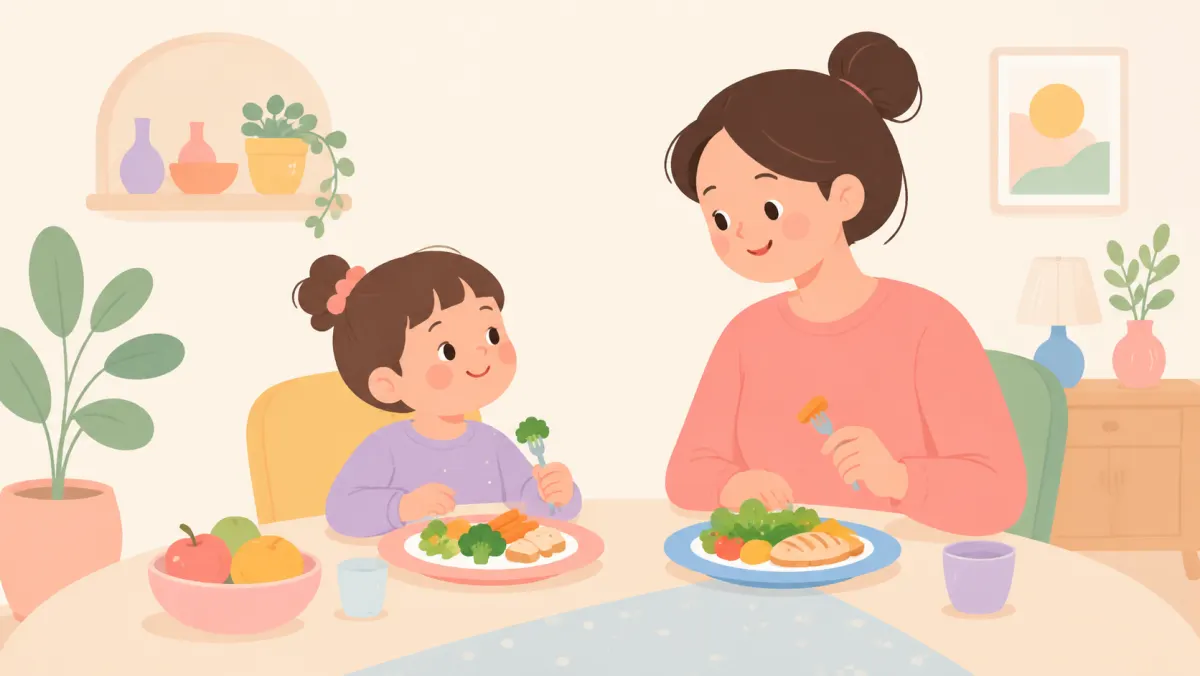
Start by putting one familiar food on the plate, something your child usually accepts without much fuss. Add a small amount of the family meal beside it, not touching if that matters to them. Keep portions modest so the plate does not look overwhelming. You can always offer more. The goal is to make dinner feel manageable, not to prove how much your child can eat.
Try to serve the same basic meal to everyone, with simple adjustments rather than cooking a completely separate dinner. For example, serve tacos as separate components, pasta with sauce on the side, or chicken with plain rice and vegetables. This gives a picky eater toddler dinner that still feels connected to the family meal while leaving room for familiar textures and flavors.

How Do I Stop Dinner Negotiations?
At the table, describe the food without pressure. You might mention that the carrots are crunchy or that the sauce is on the side tonight. Avoid asking for bites, bargaining with dessert, or repeatedly checking whether your child likes something. Calm language lowers the attention around eating. Your child can focus on the food, the conversation, and their own hunger instead of feeling watched.
If your child says no, keep your response short and neutral. You do not have to eat it is enough. Then move on to another topic. A refusal does not need to become the center of dinner. When adults stay calm, the meal can continue without turning into a contest. The plate can stay available while everyone else keeps eating and talking.
How Long Should Dinner Last?
Give dinner a predictable beginning and end. Sit down together when you can, keep the meal at the table, and avoid stretching it out because your child has eaten little. A simple routine helps your child know what to expect. You can offer the meal, enjoy your own food, and finish without chasing them around the room with one more bite.
Try not to turn dinner into an all-evening grazing session right afterward. If your family normally offers a planned bedtime snack, keep it simple and predictable rather than making it a replacement dinner on demand. This keeps the routine clear without using hunger as punishment. The aim is a calm pattern your child can recognize from one evening to the next.
How Can I Make Dinner Feel Easier?
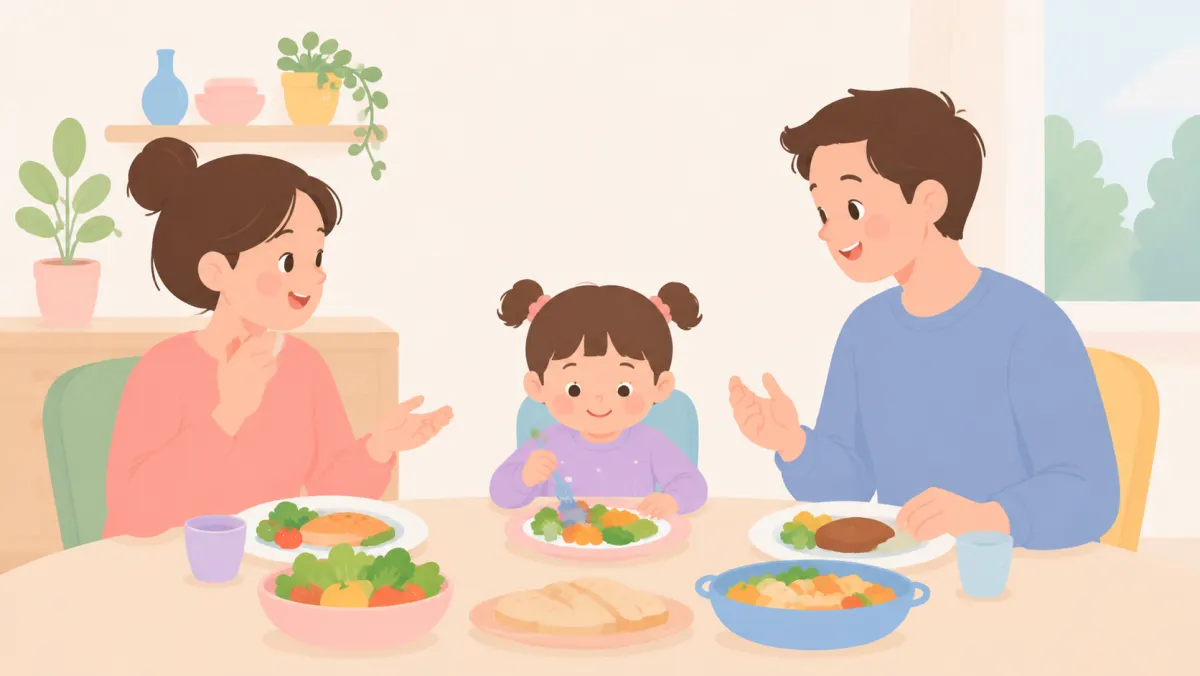
Some children are more willing to join dinner when they have a small job beforehand. Ask them to carry napkins, choose between two vegetables, or place spoons on the table. Keep the choice limited so it does not become another negotiation. Helping with the meal can make dinner feel familiar and give your child a sense of participation without making eating itself the task.
During dinner, shift some attention away from the plate. Talk about a funny moment from the day, ask a simple question, or tell a short family story. A relaxed table gives your child something to do besides defend their food choices. You are still offering dinner, but the meal becomes part of family time instead of a test they have to pass.
What If My Toddler Refuses Everything?
When a new food appears, think of exposure as enough for tonight. Your child may look at it, smell it, touch it, lick it, or ignore it. You do not need to turn that moment into a lesson. Keep offering small amounts on different days alongside familiar foods. Repeated, low-pressure contact can make an unfamiliar food feel less surprising over time.
If one dinner goes badly, reset at the next meal instead of changing the whole plan. Children can eat differently from one day to the next, and family evenings can be unpredictable too. Keep the structure steady: offer a varied meal, include something familiar, use calm words, and let the meal end. Consistency matters more than making every plate successful.
Parents also ask
What should I put on my picky toddler's dinner plate?
Serve a small portion of the family meal with at least one familiar food your child usually accepts. Keeping foods separate can help if mixed textures cause resistance. You do not need to prepare a second full dinner, but a simple familiar option can make the plate feel less demanding.
Should I ask my toddler to take one bite?
Try not to bargain for a specific number of bites. You choose what is offered and when dinner happens, while your child decides whether and how much to eat. Keep the meal calm, leave the food available during dinner, and move the conversation away from how much is being eaten.
What if my toddler barely eats dinner?
Keep your response neutral and end the meal as you normally would. Avoid replacing dinner immediately with a special requested meal. If your family has a regular planned snack later, keep that routine predictable. One lightly eaten dinner does not need to become a battle or an emergency.
Practical ideas from our team, not medical advice. For anything about your child's health, sleep, or development, please check with your pediatrician.
Turn today's idea into their own story
Make a 1-minute animated story where your child is the hero.
Start A Story