
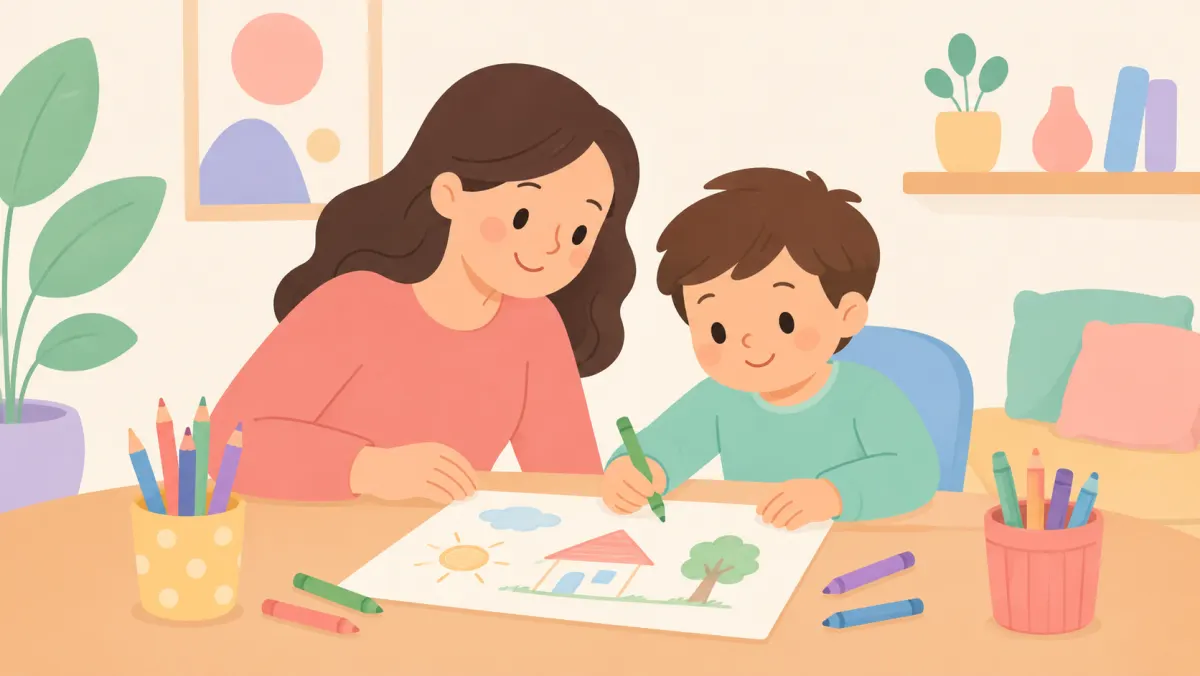
Why should I praise effort instead of talent
Many parents naturally say things like, You are so smart, when a child finishes a puzzle or solves a problem. A warmer approach is to notice the actions behind the result, such as trying a new idea, staying patient, or practicing a skill. These details help children see what they did that supported their progress.
When children hear that their choices and actions matter, they can start to see learning as something they can influence. A simple comment about effort can turn a frustrating moment into a chance to keep going and try another way, even when a task feels difficult or unfamiliar.
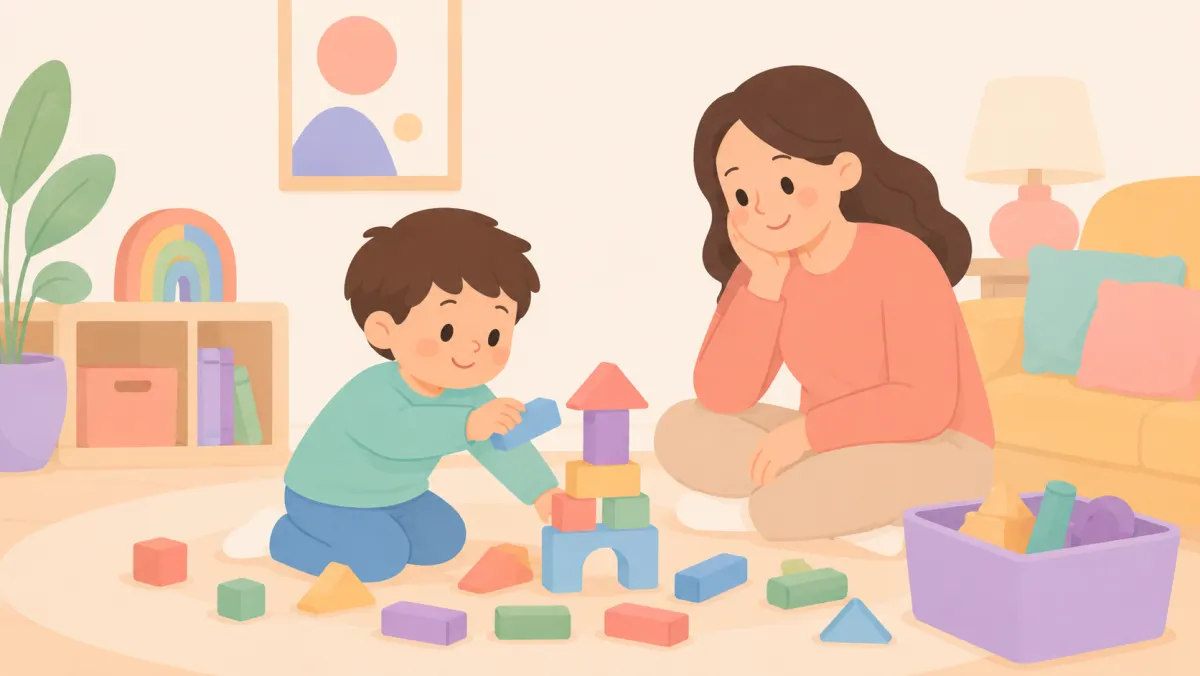
How can I praise effort at home
Instead of praising a child only for being good at something, describe what you saw them do. You might mention how they organized their materials, checked their work, or practiced a tricky part several times before finishing. These comments connect success with actions children can repeat during future learning moments.
This kind of feedback gives children a clearer picture of what helped them improve. It also gives parents a natural way to talk about learning without making every success feel like a test of ability. Children can hear that progress comes from choices, practice, and attention.
What words encourage children to keep trying
Children often notice when adults pay attention to the process, not just the final result. During homework, hobbies, or games, pause and point out the choices that helped them move forward. A sentence about careful practice or creative thinking can show children that their work deserves attention.
These small conversations work best when they feel honest and specific. A child does not need a long speech after every task. A few thoughtful words can show that practice and patience are worth noticing, especially when children are learning something new or working through a challenge.
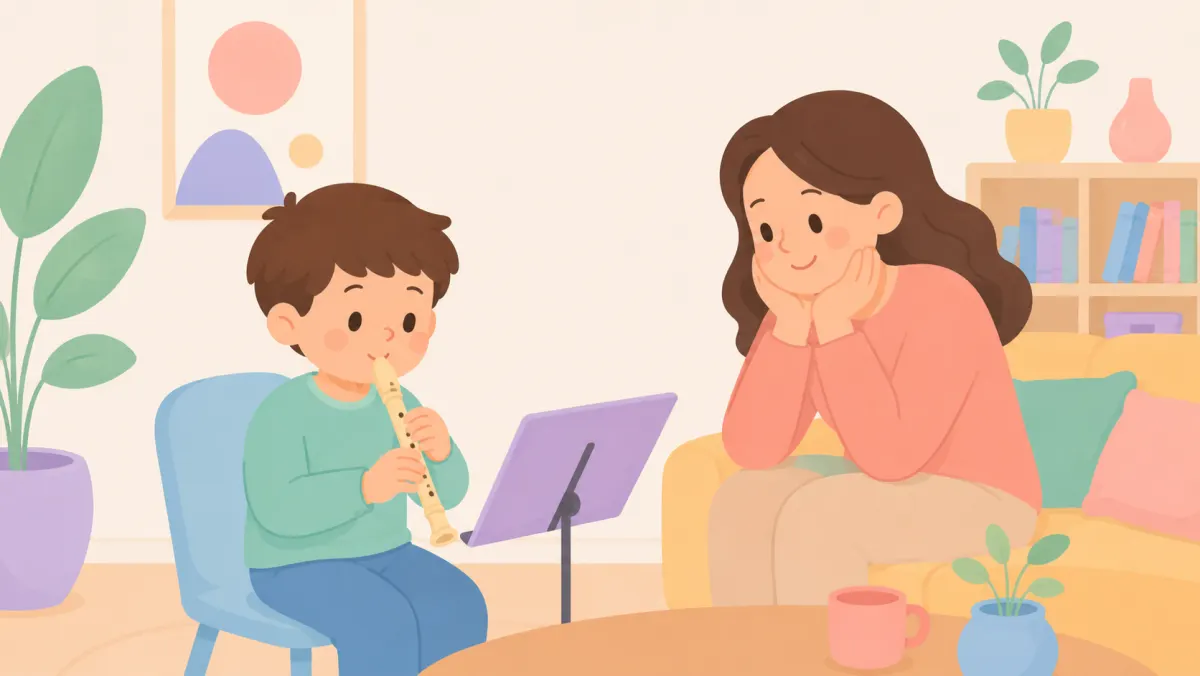
Should I praise results or hard work
Praising effort does not mean ignoring achievement. Parents can celebrate finished projects while also naming the steps that made them possible. This helps children connect results with the actions they took along the way and understand that improvement often comes from repeated attempts and thoughtful choices.
A balanced response might include excitement about the outcome and curiosity about the process. Asking what felt easy, what felt challenging, or what they would try next keeps the conversation focused on learning. These questions can make everyday achievements feel like opportunities for reflection.
How do I start praising effort tonight
Parents can start using effort focused language tonight during ordinary moments. When a child draws, reads, builds, or practices, look for one specific action that deserves attention and say it out loud. Simple observations can fit naturally into routines without creating pressure around performance or perfection.
Over time, these comments can become part of family conversations about growth and learning. The goal is not to praise every move, but to help children notice that their actions shape their progress. Small reminders about effort can become a familiar part of how families talk about learning.
Parents also ask
What is the difference between praising effort and talent?
Praising talent focuses on a child's ability or result, while praising effort focuses on the actions that helped them learn. Parents can mention practice, choices, and persistence to show children what they can repeat.
Can I still praise my child's achievements?
Yes. Parents can celebrate achievements while also noticing the steps behind them. Recognizing both the result and the effort helps children understand that their actions played a part in reaching their goal.
What are examples of effort based praise?
Examples include noticing careful practice, trying a new strategy, asking questions, or staying with a challenging task. These comments help children understand the behaviors that supported their learning and encourage them to notice their own progress.
Practical ideas from our team, not medical advice. For anything about your child's health, sleep, or development, please check with your pediatrician.
Turn today's idea into their own story
Make a 1-minute animated story where your child is the hero.
Start A Story